The First Light: The Story of Creation
Allah's mercy in creation; the purpose of humanity
Before the mountains rose from the earth, before the rivers carved their paths through valleys, before a single leaf unfurled on a single tree, there was Allah. He had always been, and He would always be. And in His infinite wisdom, He decided to create something extraordinary.

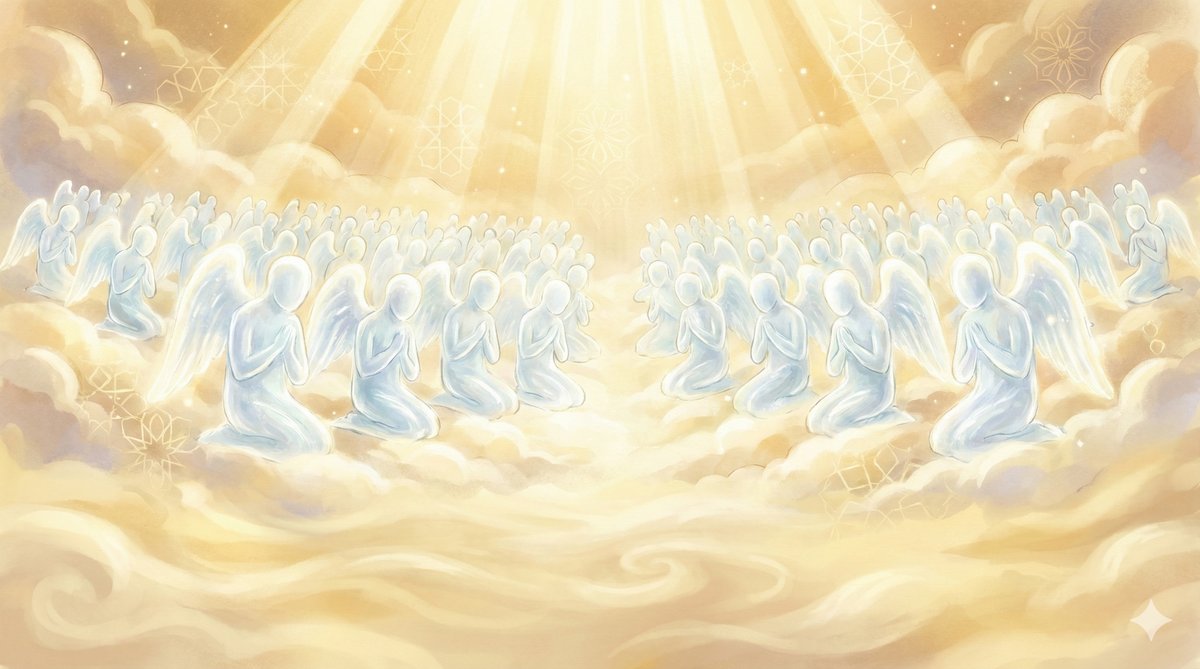
"I am going to place a khalifah on the earth," Allah announced to the angels.
The angels, beings of pure light who had worshipped Allah since the beginning, were puzzled. "Will You place on it someone who will cause corruption and shed blood," they asked, "while we glorify You with praises and declare Your perfection?"
Allah smiled at their question, the way a wise teacher smiles when a student asks something that will soon answer itself. "I know what you do not know," He replied.
And so the creation began.
Allah gathered clay from every corner of the earth, red clay and white clay, black soil and golden sand. He mixed it with water and shaped it carefully, the way a master artist shapes his finest work. This was no ordinary creation. This was Adam, peace be upon him, the father of all humanity.
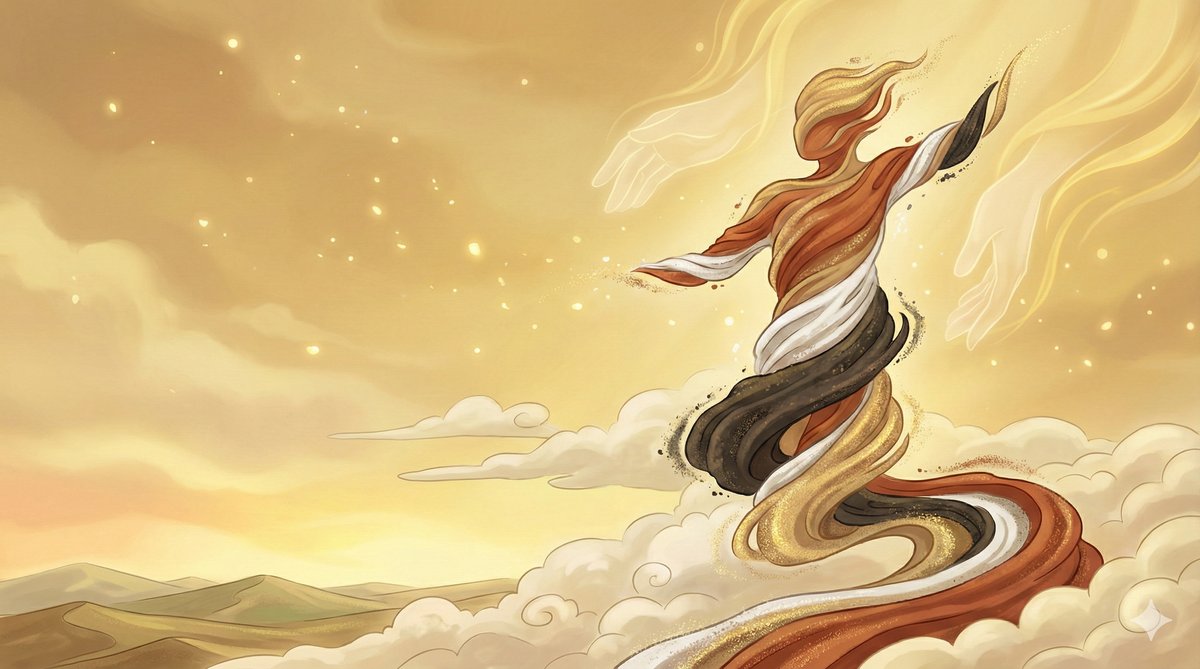
When the form was complete, Allah breathed His spirit into it. Imagine the very first breath, the very first flutter of eyelids, the very first heartbeat in the entire history of humankind. Adam opened his eyes and saw a world of wonder, colors he had no names for, sounds he had never heard, and a sky stretching endlessly above him.
But Allah had not finished His lesson for the angels.
He taught Adam the names of all things, every creature, every plant, every star, every concept that existed or would ever exist. Then Allah turned to the angels and asked, "Tell Me the names of these, if you are truthful."
The angels lowered their heads humbly. "Glory be to You! We have no knowledge except what You have taught us. You are the All-Knowing, the All-Wise."
"O Adam," Allah said, "tell them their names."
And Adam did. He named each thing with confidence, his voice ringing clear through the heavens. The angels understood then. This was why Allah had chosen Adam. Not because he was made of light like them, but because Allah had given him something special: knowledge, the ability to learn and to teach, and the freedom to choose.
Then came the command that would change everything.
"Bow down to Adam," Allah ordered the angels.
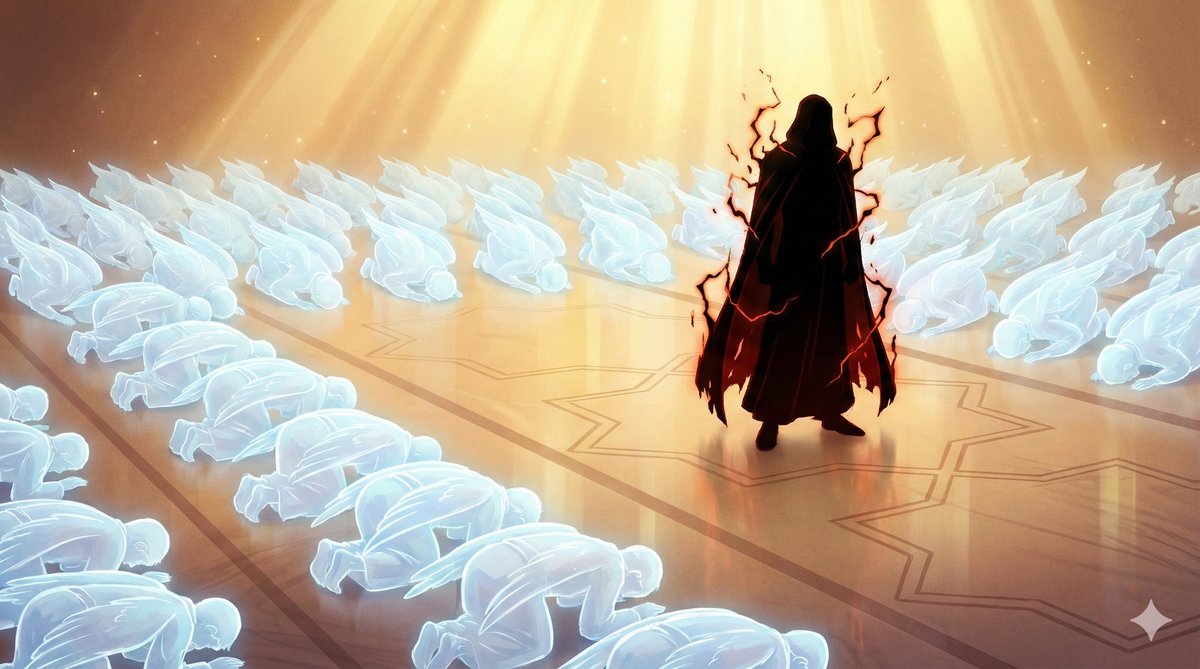
Every angel prostrated immediately, their forms bending in perfect obedience to their Creator. Every angel, except one.
Iblis, who had been among the worshippers for thousands of years, refused. His chest swelled with pride, and his eyes burned with anger.
"I am better than him," Iblis declared. "You created me from fire, and You created him from clay."
This was the first sin; not a sin of the body, but a sin of the heart. Arrogance. The belief that you are better than someone else because of what you are made of, rather than what you choose to do. Allah cast Iblis away, but Iblis made a terrible promise: he would spend the rest of time trying to lead Adam's children astray.
"I will come at them from the front and from behind," Iblis vowed, "from their right and from their left. You will find most of them ungrateful."
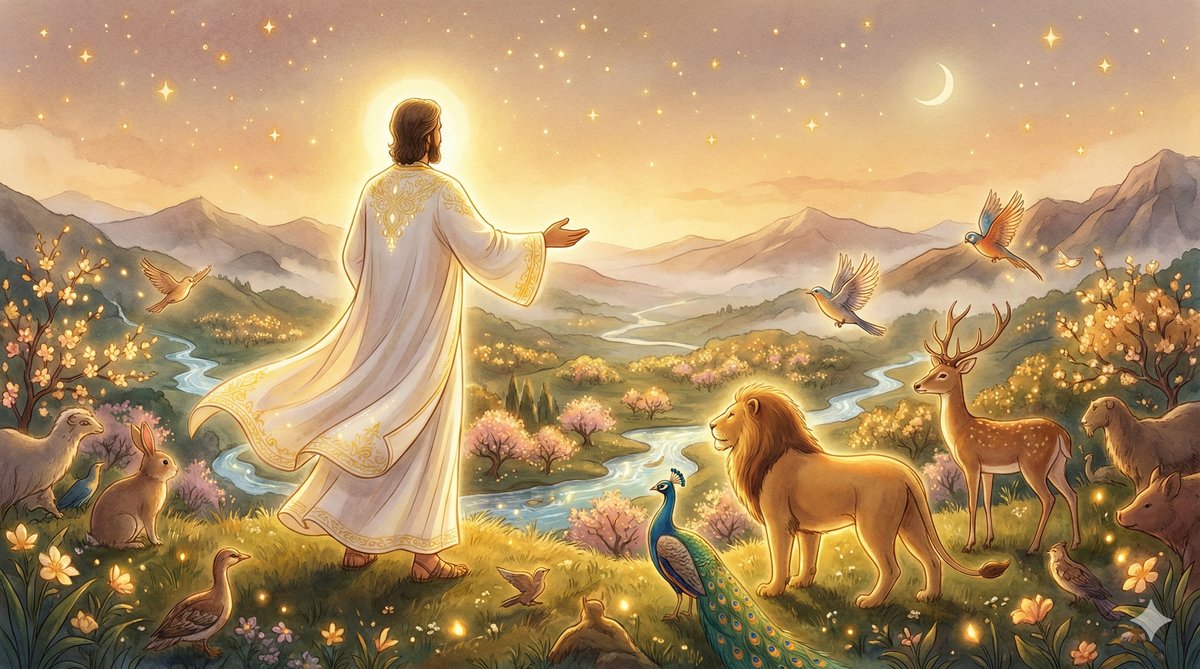
Allah placed Adam in a beautiful garden, Jannah, where everything he could ever want was within reach. Fruits of every color hung from branches that swayed gently in a warm breeze. Rivers of pure water, milk, and honey flowed between the trees. And there, Allah created Hawwa, Adam's companion, so that he would not be alone.
"O Adam," Allah said, "live with your wife in the Garden and eat freely from wherever you wish. But do not approach this tree, or you will be among the wrongdoers."
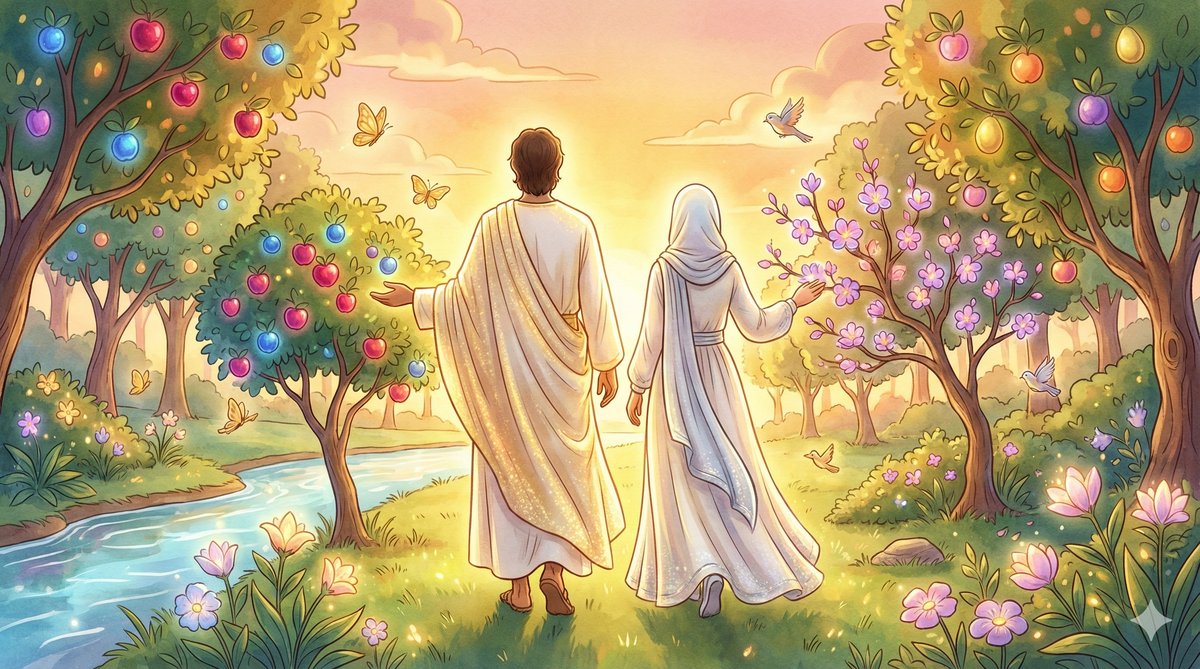
Adam and Hawwa lived in perfect happiness. They walked through meadows of flowers that glowed like jewels. They drank from streams that tasted sweeter than anything you can imagine. They had everything.
But Iblis had not forgotten his promise.
He came to them whispering, his voice smooth as silk. "Shall I show you the Tree of Eternity and a kingdom that never decays?" he asked. "Allah only forbade you from this tree because if you eat from it, you would become angels, or you would live forever."
He swore to them, "I am truly your sincere advisor."
Adam and Hawwa, who had never heard a lie before, who did not know that someone could look them in the eye and speak falsehood, believed him. They reached for the fruit and ate.
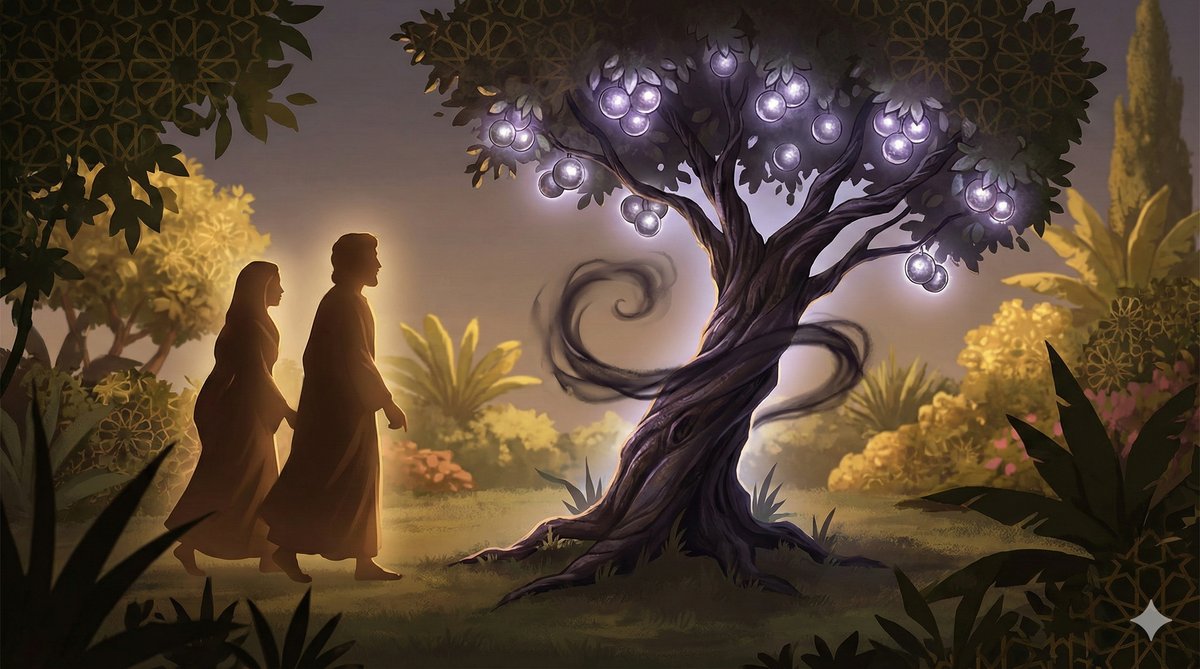
In that instant, everything changed. They felt exposed and ashamed. They scrambled to cover themselves with leaves from the Garden, their hearts heavy with the realization of what they had done.
"Did I not forbid you from that tree?" Allah's voice came, gentle but firm. "Did I not tell you that Shaytan is your clear enemy?"
Adam did not make excuses. He did not blame Hawwa. He did not say, "Iblis tricked me." Instead, with tears flowing down his face, he spoke the most beautiful words of repentance ever uttered:
"Rabbana zalamna anfusana wa in lam taghfir lana wa tarhamna lanakoonanna minal khasireen."
"Our Lord, we have wronged ourselves, and if You do not forgive us and have mercy on us, we will surely be among the losers."
And here, dear listener, is where the story becomes most beautiful. Because Allah, the Most Merciful, the Most Compassionate, forgave them. He had always planned to forgive them. The Quran tells us, "Then Adam received words from his Lord, and He accepted his repentance. Indeed, He is the Accepting of repentance, the Merciful."
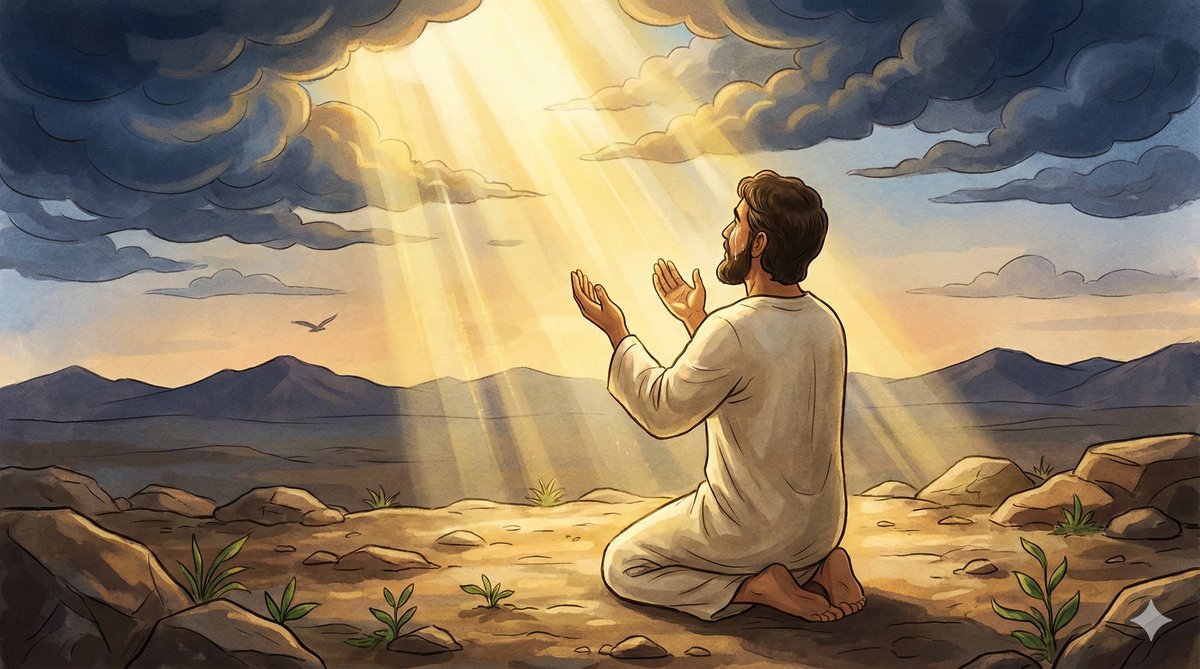
Adam and Hawwa were sent to live on Earth, but not as a punishment. They were sent with a purpose. Allah told them, "Go down from here, all of you. And when guidance comes to you from Me, whoever follows My guidance, there will be no fear upon them, nor will they grieve."
This was Allah's promise, and it would echo through all of history. He would never leave humanity without guidance. He would send prophets, one after another, each one carrying the light of truth to their people. From Adam to Nuh, from Ibrahim to Musa, from Isa to Muhammad, peace be upon them all, the chain of guidance would never break.
And in the Shia tradition, we learn that this chain of divine guidance, this pattern of Allah appointing a khalifah to lead and teach, did not end with the last Prophet. Just as Allah told the angels, "I am placing a khalifah on earth," He continued this trust through the Ahlul Bayt, the family of Prophet Muhammad, peace be upon him and his family. Imam Ali, in his famous collection of wisdom called Nahj al-Balagha, taught: "Allah did not create you without purpose, nor did He leave you without guidance."
When you look up at the stars tonight, remember that the same Allah who created Adam from clay, who taught him the names of all things, who forgave him when he made a mistake, that same Allah created you too. He gave you a mind to think, a heart to feel, and the freedom to choose.
And just like Adam, when you make a mistake, the door of repentance is always open. All you have to do is turn back to Him.
Key Verse
Rabbana zalamna anfusana wa in lam taghfir lana wa tarhamna lanakoonanna minal khasireen "Our Lord, we have wronged ourselves, and if You do not forgive us and have mercy upon us, we will surely be among the losers." -- Al-A'raf (7:23)
Reflection Questions
- Why do you think Allah chose to create humans with the ability to make mistakes, instead of making us perfect like the angels?
- What was the real sin of Iblis: was it just refusing to bow, or was it something deeper in his heart?
- When you make a mistake, what is the first thing you should do? How does Adam's example teach us about asking for forgiveness?
A long, long time ago, before there were any trees or rivers or mountains, before there were any animals or people, there was Allah. Allah was always there. He was there before everything began, and He will always be there forever and ever.
Allah is so wise and so great. And one beautiful day, Allah decided to make something very, very special.
He told the angels, "I am going to make a special helper and put him on the earth to take care of it."
Now, the angels were surprised! They loved Allah so much. They prayed to Him all day and all night. They always did everything Allah asked. So they said, "But why? We already love You and pray to You!"
Allah smiled, the way a kind and loving teacher smiles when a student asks a really good question. He said, "I know things that you do not know."
And that was true. Allah always knows best. He had a wonderful plan that no one else could see yet.
So Allah began to create. He took clay from the earth. He used red clay and white clay. He used dark soil and golden sand. He mixed it all together with water. Then, very carefully, like the best artist in the whole world, He shaped it into a person.
This person was Adam, peace be upon him. He was the very first human being ever made!
Then Allah did something truly amazing. He breathed life into Adam. Think about that! The very first breath anyone ever took. The very first heartbeat that ever beat. The very first time anyone ever opened their eyes.
Adam looked at the world. He saw beautiful colors everywhere. He heard sounds he had never heard before. He saw the big, wide sky above him. Everything was brand new and full of wonder!
But Allah was not done yet. He had something very special to show the angels.
Allah taught Adam the names of everything. He taught him the names of all the animals, like the lion and the bird and the fish. He taught him the names of all the plants and all the stars in the sky. He even taught him the names of things that had not been made yet!
Then Allah asked the angels, "Can you tell Me the names of all these things?"
The angels shook their heads. "We do not know," they said. "You only taught us some things. You are the One who knows everything."
Then Allah said, "Adam, you tell them the names."
And Adam did! He said the name of every single thing, one by one. His voice was clear and strong and sure.
Now the angels understood. Allah had given Adam something very special. He gave him a mind that could learn new things. He gave him a heart that could love. And He gave him something the angels did not have: the freedom to choose. Adam could choose to do good things or bad things, and that is what made him so special.
Then Allah told all the angels, "Bow down to Adam to show respect."
Every single angel bowed right away. They all listened to Allah without waiting even one moment. Every single one of them bowed down. Except for one.
His name was Iblis.
Iblis had been praying to Allah for thousands and thousands of years. But when Allah told him to bow to Adam, Iblis crossed his arms and said, "No! I will not do it!"
"I am better than him!" Iblis said in an angry, mean voice. "You made me from fire, and You made him from plain old clay! Fire is better than clay!"
This was very, very wrong. Do you know why? Because Iblis was being proud and mean. He thought he was better than someone else just because of what he was made from. But that is not what makes someone good or bad. What makes someone good is how they act and the choices they make.
Allah sent Iblis away because of his bad pride. But Iblis made a terrible promise. He said, "I am going to try to trick all of Adam's children! I will whisper bad ideas to them and try to get them to do wrong things!"
And from that day on, Iblis became known as Shaytan, the whisperer.
Then Allah put Adam in the most beautiful garden you could ever dream of. It was called Jannah. Oh, it was so wonderful! There were fruits of every color hanging from the trees, red and orange and purple and gold. There were rivers of cool, clean water. There were rivers of sweet milk and rivers of golden honey! The flowers were so pretty they looked like little jewels, and a warm, gentle breeze blew all the time.
And in this garden, Allah also created Hawwa. She was Adam's wife and best friend, so he would never, ever be alone.
Allah said to them, "You can eat anything you want in this whole big garden. Try all the fruits! Drink from all the rivers! Enjoy everything! But listen carefully: do not go near that one tree over there. Stay away from it."
Adam and Hawwa were so happy. They walked through fields of glowing flowers. They ate the sweetest fruits. They drank from the coolest rivers. They had everything they could ever want!
But Shaytan had not forgotten his bad promise.
He came sneaking up to them, quiet as a shadow. He whispered in a smooth, tricky voice, "Do you want to know a secret? That tree over there is a very special tree. If you eat from it, you will live forever and ever!"
Shaytan was lying. That is what he does best. He tells lies to trick people into doing wrong things.
Adam and Hawwa had never heard a lie before. They did not know that someone could say something that was not true! So they believed Shaytan, and they ate the fruit from the tree.
Oh no!
Right away, Adam and Hawwa felt terrible inside. Their hearts felt heavy and sad. They knew they had made a big mistake. They had not listened to what Allah told them to do.
Then Allah's voice came to them. It was gentle but serious. "Did I not tell you to stay away from that tree? Did I not tell you that Shaytan is your enemy who wants to trick you?"
Now here is the most important part of the whole story. Listen very carefully.
Adam did not make excuses. He did not say, "It was not my fault!" He did not point at Hawwa and say, "She made me do it!" He did not point at Shaytan and say, "He tricked me!" Instead, Adam and Hawwa put their heads down, and with tears running down their faces, they said a beautiful prayer:
"Rabbana zalamna anfusana wa in lam taghfir lana wa tarhamna lanakoonanna minal khasireen."
This means: "Our Lord, we have done wrong. Please forgive us and have mercy on us. Without Your forgiveness, we will be lost."
They were truly, truly sorry. They meant it from the bottom of their hearts.
And do you know what happened next? Allah forgave them! Yes, He did! Because Allah is the Most Merciful and the Most Kind. He loves it when we say sorry and really, truly mean it. He was always ready to forgive them, even before they asked.
The Quran tells us: "Then Adam received words from his Lord, and He accepted his repentance. Indeed, He is the Accepting of repentance, the Merciful."
Allah sent Adam and Hawwa to live on the earth. But this was not a punishment! Oh no, it was something much better than that. Allah had a very special job for them! He told them, "Go and live on the earth. And whenever I send you guidance, whoever follows it will have nothing to be afraid of and nothing to be sad about."
This was Allah's big, beautiful promise. He would never leave people alone without help. He would always send guides to teach people the right way to live. He sent so many prophets, one after another: Nuh, Ibrahim, Musa, Isa, and finally the last and greatest prophet, Muhammad, peace be upon them all.
And in the Shia tradition, we learn something very special. This chain of guidance did not stop with the last Prophet. Allah continued to send guides through the Ahlul Bayt, the family of Prophet Muhammad, peace be upon him and his family. Just as Allah chose Adam to be the first helper on earth, He chose the Ahlul Bayt to take care of the Prophet's message and keep it safe. Imam Ali (AS) taught us: "Allah did not create you without purpose, and He did not leave you without guidance."
So tonight, when you look up at the stars before you go to sleep, remember this: the same Allah who made Adam from clay, who taught him the names of everything, who forgave him when he made a mistake, that same loving Allah made you too. He gave you a mind to think with, a heart to love with, and the power to choose.
And just like Adam, whenever you make a mistake, you can always say sorry to Allah. The door is always, always open. All you have to do is turn back to Him, and He will forgive you. Because He is the Most Merciful, and He loves you so very much.
Key Verse
"Rabbana zalamna anfusana wa in lam taghfir lana wa tarhamna lanakoonanna minal khasireen" "Our Lord, we have done wrong. If You do not forgive us and have mercy on us, we will surely be lost." -- Al-A'raf (7:23)
Let's Talk About It
- What special gift did Allah give Adam that made him different from the angels?
- Why was it wrong for Iblis to think he was better than Adam?
- When you make a mistake, what should you do? What does Adam's story teach us about saying sorry to Allah?