The Night on the Mountain: Musa Speaks to Allah
Closeness to Allah; seeking guidance; the limits of human perception
Of all the moments in the lives of the prophets, tonight's story is about one of the most intimate. It is not about a battle or a flood or a fire. It is about something even greater: a conversation between a human being and his Creator. Tonight, we stand with Musa (AS) on a mountain, where the distance between earth and heaven became as thin as a breath.
After the miracle of the sea, Bani Isra'il were free. They camped in the desert of Sinai, a vast wilderness of rock and sand. They had escaped slavery, but they did not yet have the laws and guidance they would need to build a just society. For that, Allah called Musa to a meeting that would last forty nights.
"And We made an appointment with Musa for thirty nights and perfected them by adding ten, so the term of his Lord was completed as forty nights."
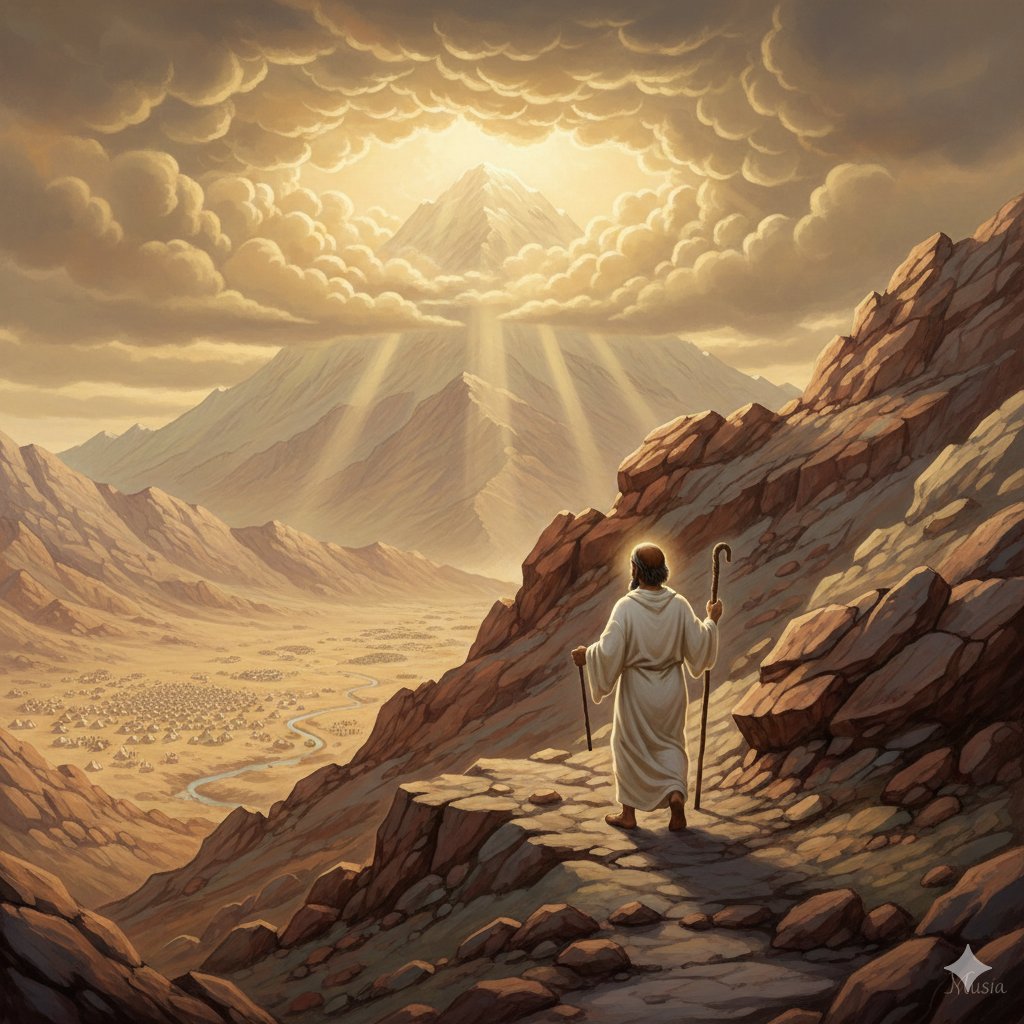
Musa turned to his brother Harun (AS) before leaving: "Take my place among my people, do right, and do not follow the way of the corrupters." Then he climbed Mount Sinai alone.
Imagine the climb. The rocky path. The thin air. The silence of a mountain so high that the world below becomes small and quiet. With each step upward, the noise of the world faded, and the presence of something far greater grew stronger.
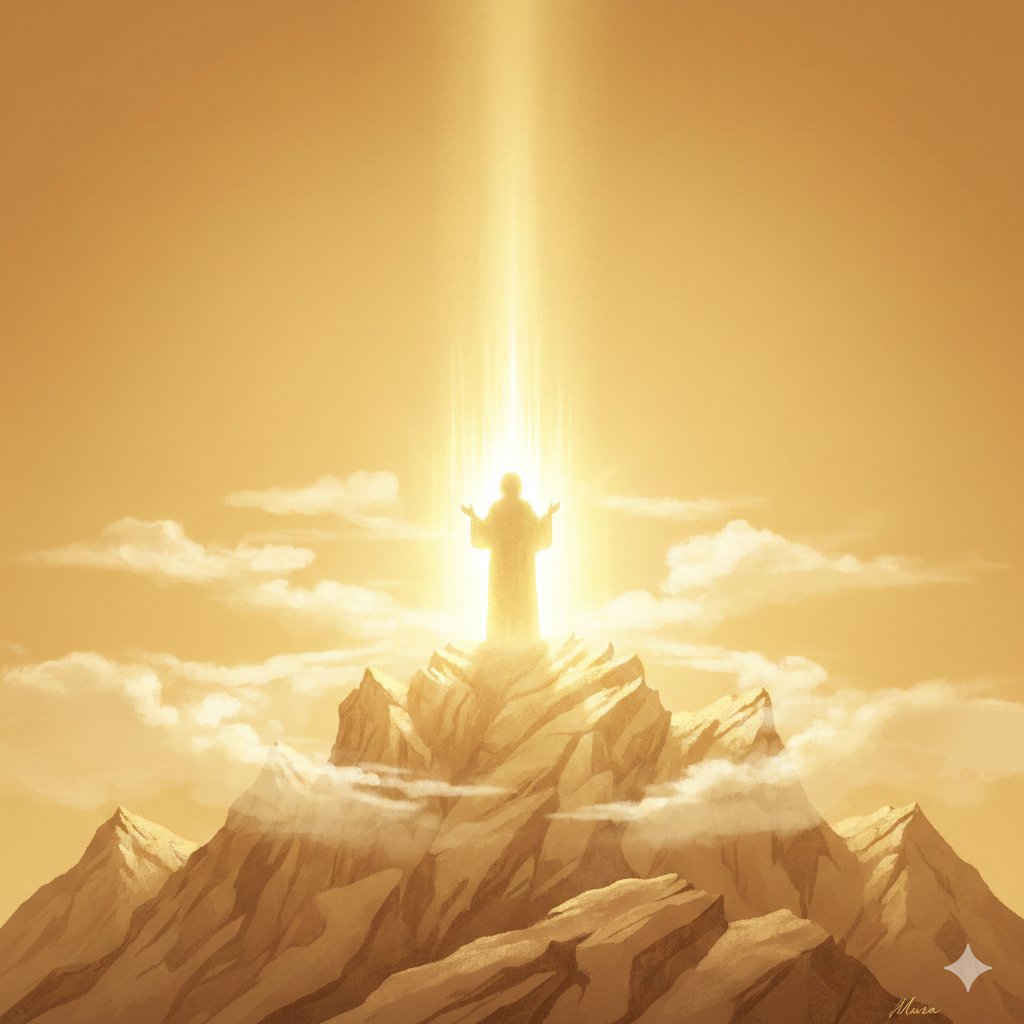
At the summit, Allah spoke to Musa. Not through an angel. Not through a dream. Directly. The Quran calls Musa "Kalimullah," the one to whom Allah spoke directly. This is a title given to no other prophet.
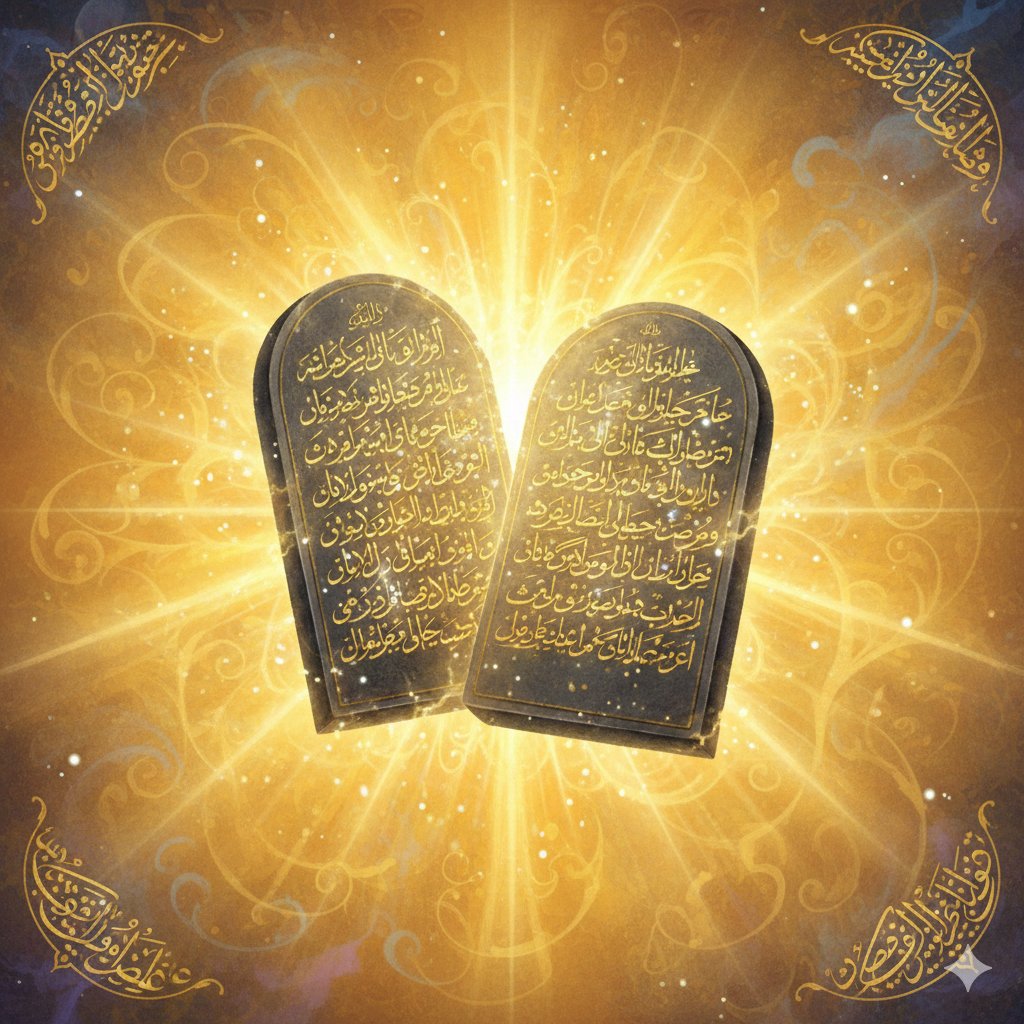
What did Musa hear? We know only what the Quran reveals. Allah gave him the tablets, alwah, inscribed with guidance and explanation for all things: laws for justice, rules for worship, principles for how people should treat each other. These tablets were the foundation of the Torah, the scripture that would guide Bani Isra'il.
But in the midst of this extraordinary closeness, Musa's human heart wanted even more. He asked the question that lives at the deepest core of every believing soul:
"Rabbi arini anzhur ilayk."
"My Lord, show me Yourself so that I may look at You."
Think about this request. Musa had already seen miracles that no other person had witnessed. He had spoken directly with Allah. He had received revelation. And yet his heart yearned for more, to see his Lord. It was not a question born of doubt. It was a question born of love. The more Musa knew of Allah, the more he wanted to know.
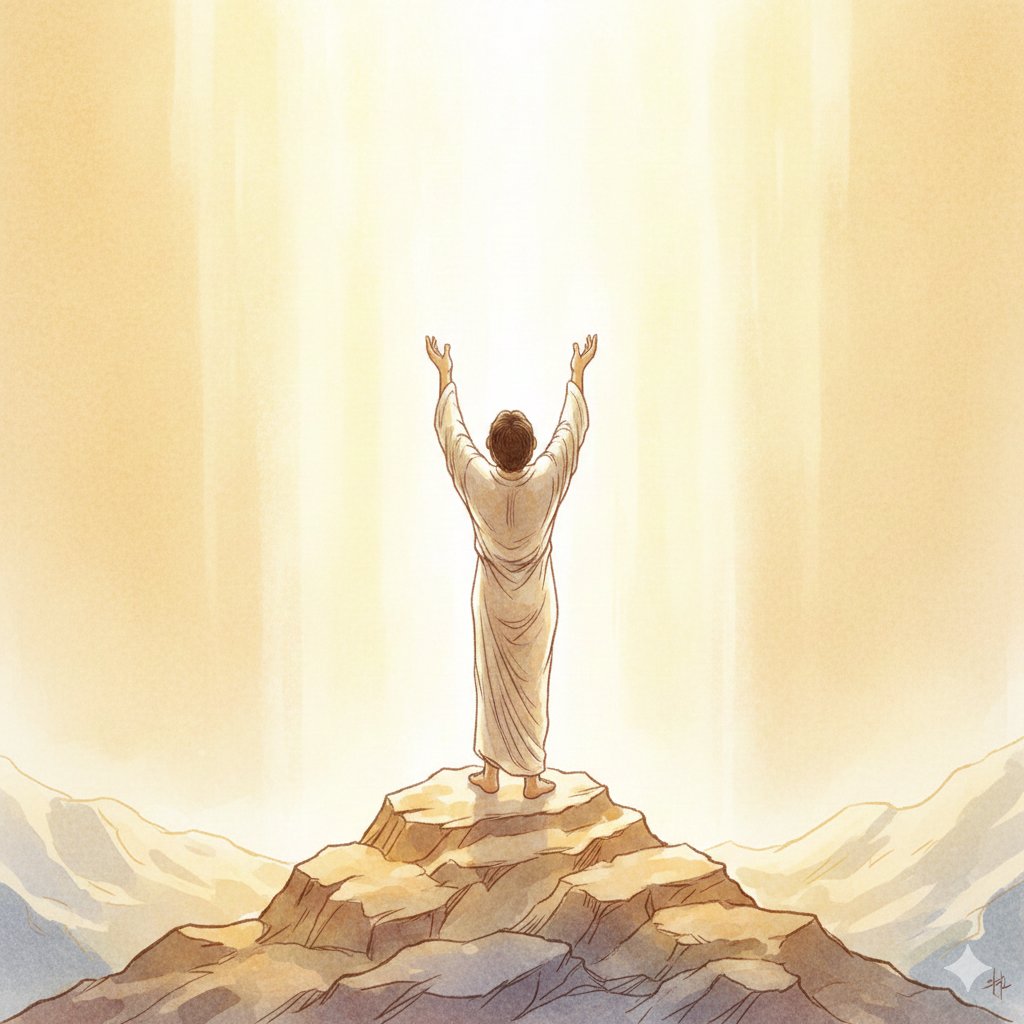
Allah's answer was gentle but firm: "You will not see Me. But look at the mountain. If it remains in its place, then you will see Me."
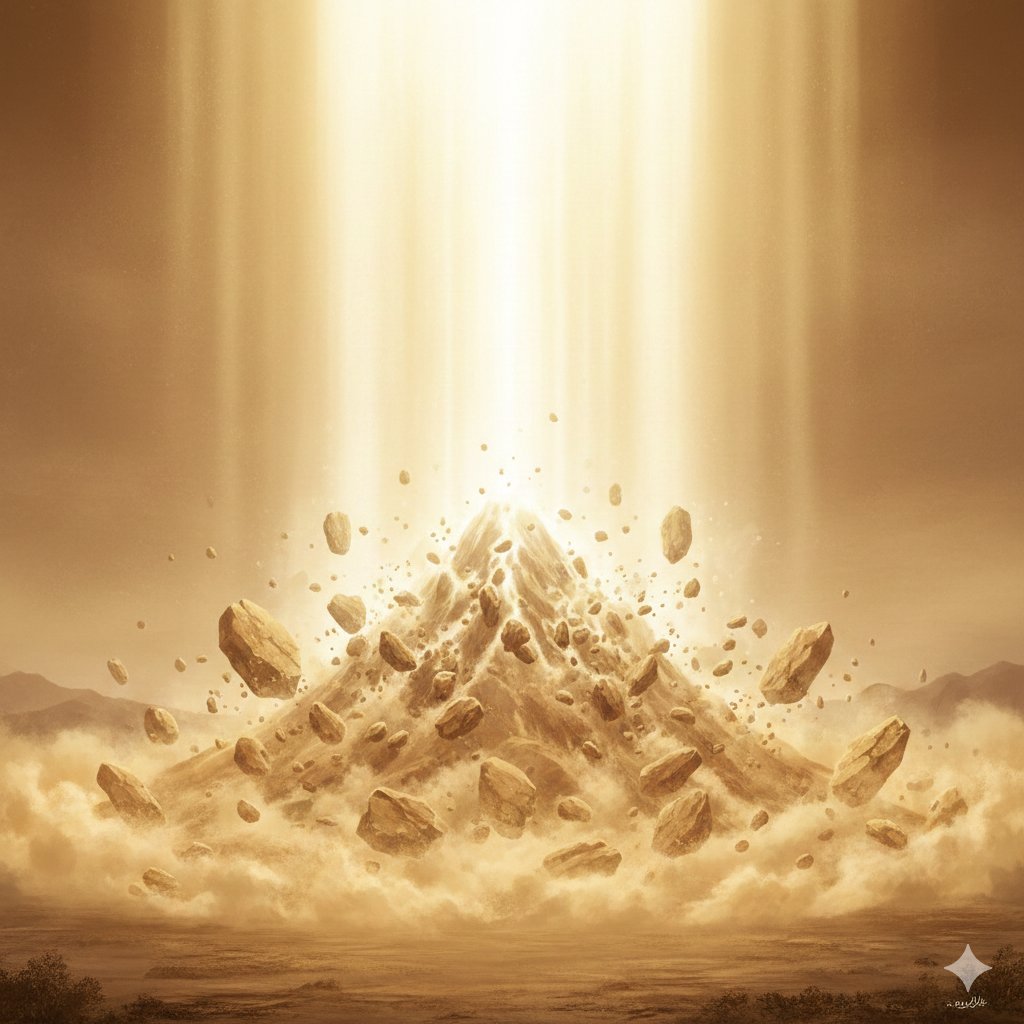
Musa turned to look at the mountain. And then Allah revealed just a fraction, a fragment, of His glory to the mountain. The Quran says: "When his Lord appeared to the mountain, He made it level, and Musa fell unconscious."
The mountain, one of the strongest things in all of creation, a mass of rock and stone that had stood since Allah formed the earth, was reduced to dust. Not cracked. Not broken. Leveled. Completely flattened, as if it had never existed. And this was only a glimpse of the divine glory.
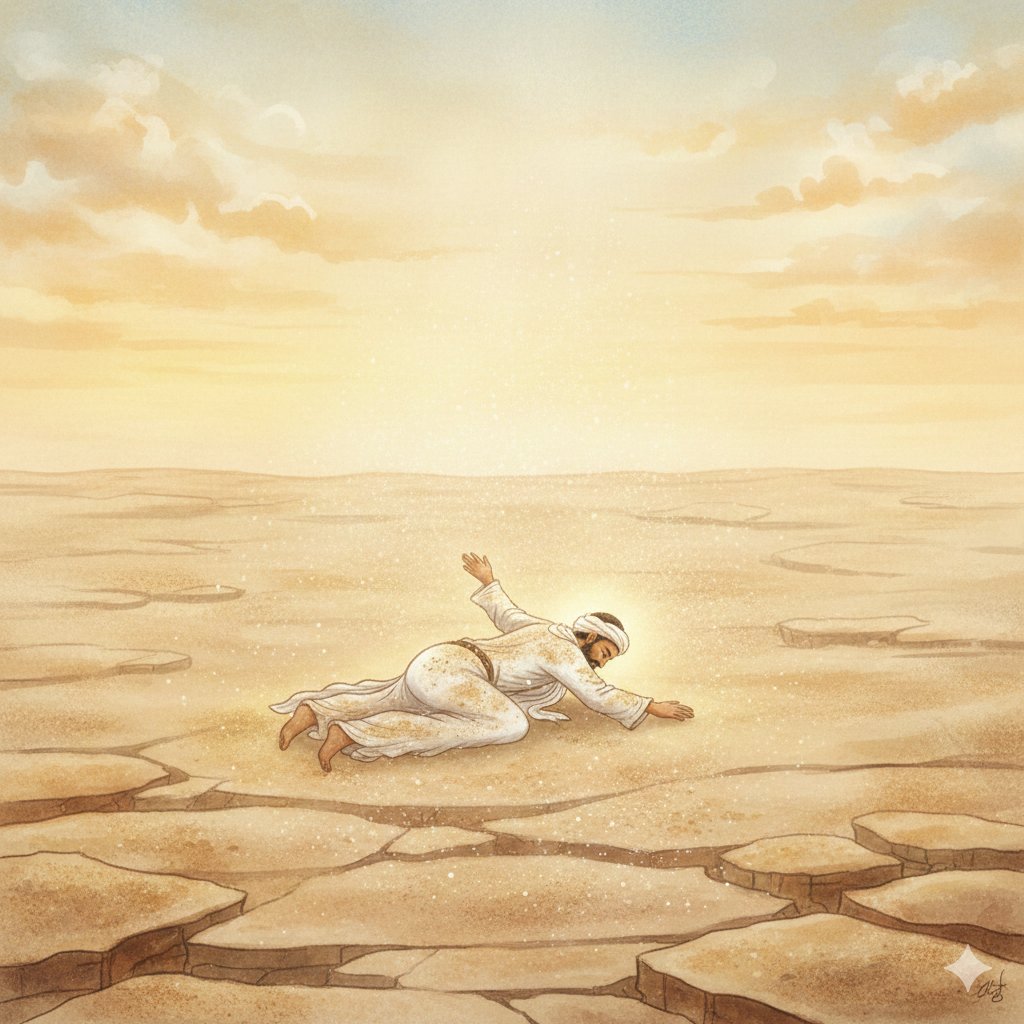
And Musa, the mightiest prophet of his time, the man who had stood before Pharaoh without flinching, who had parted the sea with his staff, fell to the ground unconscious.
When Musa awoke, his first words were: "Glory be to You! I have repented to You, and I am the first of the believers."
He understood now. Human eyes, human minds, human bodies, they are not made to perceive Allah in this world. Not because Allah is hiding, but because our capacity to receive is limited. You cannot pour an ocean into a teacup. The teacup is not flawed; it is simply not built to hold an ocean.
But one day, in the Hereafter, the believers will be given the capacity to see and know Allah in ways that are impossible in this life. That is one of the great promises of Jannah, not just gardens and rivers, but closeness to the Creator Himself.
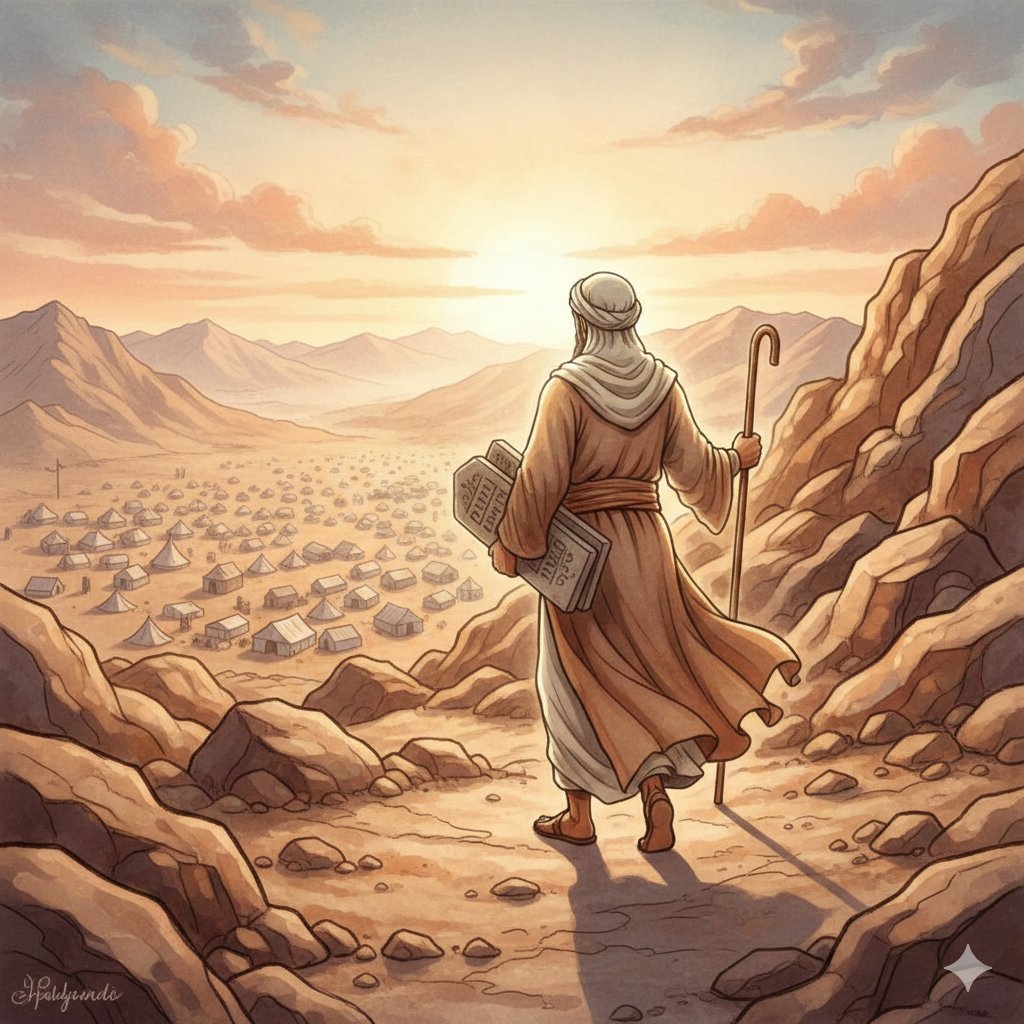
Musa descended from the mountain carrying the tablets, his face said to be radiating light from his encounter with the divine. He had been given a treasure: the law that would shape a civilization, written by the hand of Allah Himself.
In the Shia tradition, the night on the mountain carries deep resonance. Just as Musa received the Torah on Sinai, the Prophet Muhammad (PBUH) received the Quran over twenty-three years, and the night of its first revelation, Laylat al-Qadr, is considered the holiest night of the year. The relationship between prophet and scripture, between the guide and the guidance, is central to the Shia understanding of Islam.
Imam Ali (AS) said: "I asked the Messenger of Allah about the sunnah. He said: Knowledge is my capital, intellect is the basis of my religion, love is my foundation, yearning is my mount, remembrance of Allah is my companion, trust is my treasure, grief is my friend, knowledge is my weapon, patience is my cloak, contentment is my booty, poverty is my pride, asceticism is my profession, conviction is my strength, truthfulness is my intercessor, obedience is my sufficiency, and struggle is my way."
This is the spirit of Musa on the mountain: not satisfied with partial knowledge, always yearning for more closeness, always climbing higher. That yearning, that refusal to settle for less than the deepest possible connection with Allah, is the mark of a true seeker.
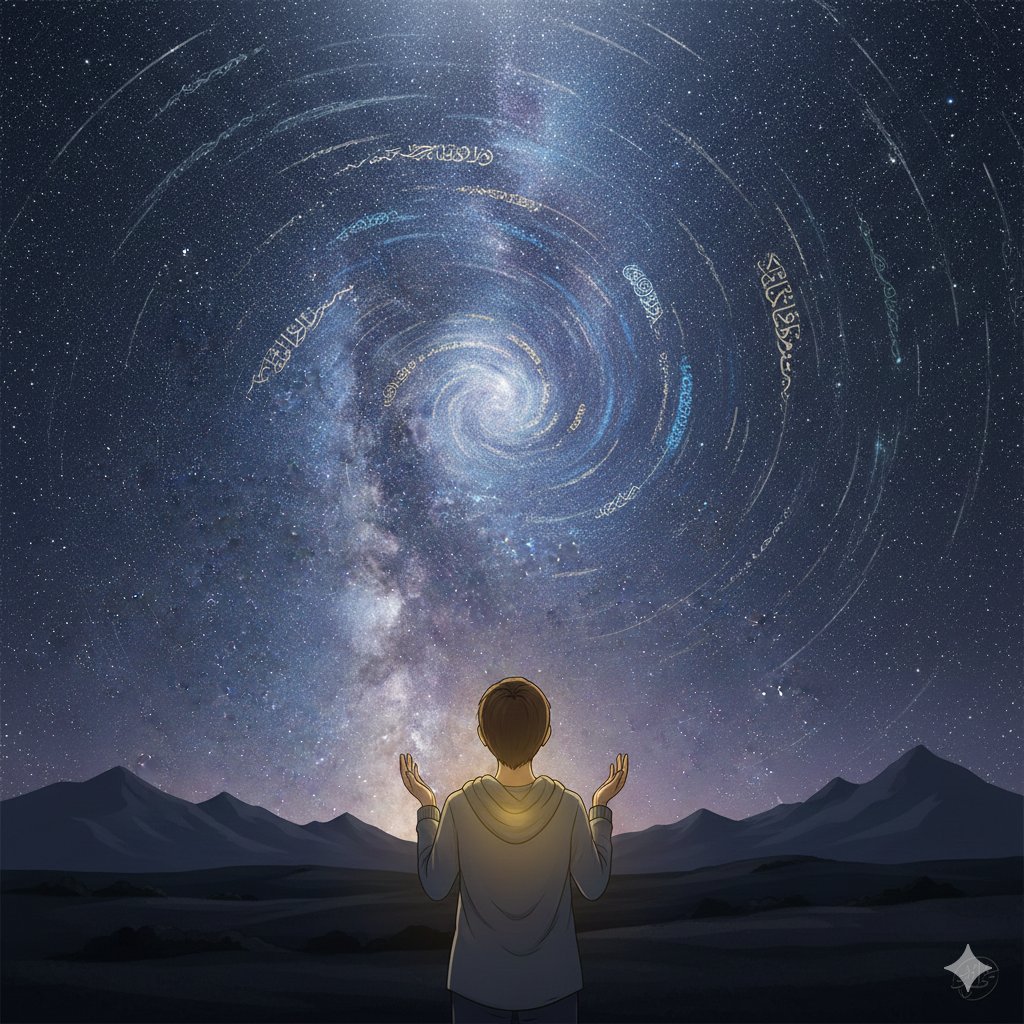
Tonight, if you step outside and look up at the stars, know that the same Allah who spoke to Musa on the mountain is listening to you right now. You do not need a mountain. You do not need a burning bush. You need only a sincere heart and the words "Rabbi arini," my Lord, let me know You more.
Key Verse
Wa lamma ja'a Musa li miqatina wa kallamahu Rabbuhu, qala Rabbi arini anzhur ilayk, qala lan tarani wa lakinunzhur ilal jabali fa inistaqarra makanahu fa sawfa tarani, fa lamma tajalla Rabbuhu lil jabali ja'alahu dakkan wa kharra Musa sa'iqa "And when Musa arrived at Our appointed time and his Lord spoke to him, he said: My Lord, show me Yourself that I may look at You. He said: You will not see Me, but look at the mountain; if it remains in its place, then you will see Me. When his Lord appeared to the mountain, He made it level, and Musa fell unconscious." Al-A'raf (7:143)
Reflection Questions
- Why do you think Musa asked to see Allah, even though he already had so many miracles? What does his request teach us about the relationship between knowledge and love?
- The mountain was destroyed by even a small glimpse of Allah's glory. What does this tell us about how great and powerful Allah truly is?
- How can we feel close to Allah even though we cannot see Him? What are the ways you personally feel connected to Allah?
Tonight's story is not about a big battle or a scary flood. Tonight's story is about something even more special. It is about the time a person talked to Allah, the Creator of everything! Can you imagine that? Hearing Allah's voice? Tonight, we climb a mountain with Musa, peace be upon him, and we listen to the most amazing conversation ever.
After the miracle at the sea, Musa and his people were finally free! No more Pharaoh. No more being hurt. They walked through the desert of Sinai, a big, wide land full of rocks and sand. The sky was so big above them, and they could see for miles and miles.
But even though they were free, they needed something very important. They needed rules! Think about it. When you play a game, you need rules so everyone knows what to do, right? Well, the people needed rules for how to live. How to be fair. How to pray. How to be kind. They needed help from Allah to know the right way.
So Allah called Musa to come to a very special meeting. Not in a palace. Not in a tent. On top of a mountain! And this meeting was going to last a very long time. Forty whole nights!
Before Musa left, he turned to his brother Harun, peace be upon him, and said, "Harun, I need you to take care of everyone while I am gone. Be a good leader. Be kind to the people. Do not let anyone do bad things."
This is just like what happened later with our Prophet Muhammad, peace be upon him and his family. When the Prophet had to go somewhere, he would put Imam Ali (AS) in charge. He trusted Ali the most, just like Musa trusted Harun the most.
Then Musa started to climb the mountain. Up, up, up he went. The path was rocky and steep. Little pebbles rolled under his feet. The higher he climbed, the cooler the air became. The wind blew softly. And it was so, so quiet. No sounds of people talking. No sounds of animals. Just the wind, and his footsteps, and the beating of his own heart.
With each step higher, Musa felt something wonderful. He felt closer and closer to Allah. It was like the whole world below was getting smaller and quieter, and the feeling of Allah being near was getting bigger and stronger.
Finally, Musa reached the very top. And there, on the peak of that mountain, with the stars shining above and the world far, far below, Allah spoke to Musa. Not through an angel, like He did with some other prophets. Not through a dream. Allah spoke to Musa directly! That is why Musa has a very special name. He is called "Kalimullah." That means "the one Allah spoke to." No other prophet has this title. Only Musa.
What did Allah say to Musa up there? The Quran tells us some of it. Allah gave Musa special tablets. Now, these were not tablets like the ones we use to watch videos! These were flat pieces of stone. And on them, Allah had written beautiful, important words. These words were rules for the people. Rules about being fair. Rules about praying. Rules about being kind to your parents. Rules about sharing. Rules about telling the truth.
These tablets were the beginning of the Torah, the holy book that Allah gave to Musa for his people. Just like later, Allah would give the Quran to Prophet Muhammad, peace be upon him and his family. Allah always sends books to help people know the right way to live.
Musa spent forty days and forty nights on that mountain. Imagine being on a mountaintop for forty nights! Seeing the sun come up and go down over and over. Feeling the cool breeze. And all that time, being close to Allah, learning from Him, listening to His words. It must have been the most beautiful time in Musa's whole life.
But then something happened. Musa's heart wanted even more. You see, when you love someone very, very much, you always want to be closer to them. And Musa loved Allah more than anything in the world. He had heard Allah's voice. He had received Allah's words on the tablets. But his heart wanted even more. So he asked the most brave, most loving question anyone has ever asked.
He said, "Rabbi arini anzhur ilayk."
That means, "My Lord, please show Yourself to me so I can see You."
Musa was not asking because he did not believe. Oh no! He believed more than almost anyone in the world! He was asking because he loved Allah so much that his heart wanted to see the One he loved. When you love someone very much, do you not want to see their face? That is exactly how Musa felt about Allah.
Allah answered Musa very gently. He said, "Musa, you cannot see Me. But I will show you something. Look at that big mountain over there. If that mountain can stay in one piece when I show just a tiny, tiny bit of My greatness, then you will be able to see Me."
So Musa turned and looked at the mountain. It was a big, strong, huge mountain made of hard rock. Mountains are some of the strongest things in the whole world, right? They are so big and so heavy. They have been standing there since Allah made the earth.
Then Allah showed just a tiny little bit of His glory to that mountain. Just a tiny, tiny bit. Not even a lot. Just the smallest little bit.
And do you know what happened?
The whole mountain crumbled! It did not just crack. It did not just get a little broken. The entire mountain turned to dust and went completely flat! That huge, strong, heavy mountain was turned into powder, as if it was never even there! And remember, that was just a tiny, tiny, tiny bit of Allah's greatness!
And Musa? When he saw what happened to the mountain, he fell down to the ground. He fainted! Even the bravest, strongest prophet who stood in front of Pharaoh without being scared, even Musa could not handle just a tiny bit of Allah's power.
When Musa woke up, the first words he said were so beautiful. He said, "Glory be to You, Allah! I am sorry for asking. I believe in You with all my heart."
Now Musa understood something very important. And we can learn it too. We cannot see Allah in this world. But that is not because Allah is hiding from us. And it is not because Allah does not love us. It is because we are not built for it yet. Think about it like this: can you pour a whole ocean into a tiny little teacup? No way! The teacup is too small. There is nothing wrong with the teacup. The ocean is just too big for it. That is like us and seeing Allah. Allah is so great, so powerful, so amazing that our eyes and our bodies just cannot handle it right now.
But here is the wonderful part! One day, in Jannah, in Paradise, Allah will make us strong enough to be close to Him in ways we cannot even imagine right now. That is one of the best things about Paradise. Not just the beautiful gardens and the rivers. But being close to Allah Himself.
Musa came back down the mountain carrying the special tablets in his arms. People say that his face was glowing with light! All those days close to Allah had left a beautiful glow on him. It was like he was carrying a little bit of that mountaintop light inside his heart.
In our Shia tradition, we believe that being close to Allah is the most important thing a person can work for. Just like Musa received the Torah on the mountain, Prophet Muhammad, peace be upon him and his family, received the Quran. And the holiest night of the year, Laylat al-Qadr, is when that first part of the Quran came down. The Ahlul Bayt always taught people to get closer to Allah through prayer, through remembering Him, and through being good and kind to others.
Imam Ali (AS) said that wanting to know Allah and love Him is the most precious treasure a person can have. Always wanting to know Allah more, always wanting to be closer to Him, that is the spirit of Musa on the mountain. And you know what? You do not have to climb a mountain to feel close to Allah! You can talk to Him anytime, anywhere. When you pray, when you say "Alhamdulillah" after eating, when you look at the beautiful moon at night, you are connecting with the same Allah who spoke to Musa.
Tonight, if you step outside and look up at the stars, remember this: the same Allah who talked to Musa on that mountain is listening to you right now. He is closer to you than you think. All you have to do is open your heart and say, "My Lord, help me know You more."
Key Verse
"Wa lamma ja'a Musa li miqatina wa kallamahu Rabbuhu, qala Rabbi arini anzhur ilayk." "When Musa came at the time We chose, and his Lord spoke to him, he said: My Lord, let me see You so I can look at You." -- Al-A'raf (7:143)
Let's Talk About It
- Musa asked to see Allah because he loved Allah so much. How do you show your love for Allah every day?
- The big, strong mountain turned to dust when Allah showed just a tiny bit of His greatness. What does that tell you about how amazing and powerful Allah is?
- We cannot see Allah now, but we can feel close to Him. When do you feel closest to Allah?