The Ant and the Hoopoe: Sulayman's Kingdom
Humility despite power; respecting all creation
What if you could talk to animals? What if every bird, every ant, every creature in the world could understand you, and you could understand them? What if the wind itself obeyed your command, and the strongest beings in creation worked under your orders? Sounds like something from a dream, doesn't it? But for Prophet Sulayman, peace be upon him, it was real. Allah gave him a kingdom unlike any the world has ever seen, and the most remarkable thing about Sulayman (AS) was not his power. It was his humility.
Sulayman (AS) was the son of Prophet Dawud (AS), the singing king whose story we heard last night. When Dawud (AS) passed away, Allah chose Sulayman (AS) to carry on his father's legacy of just rule. But Allah gave Sulayman (AS) gifts that went far beyond what any king had ever received.
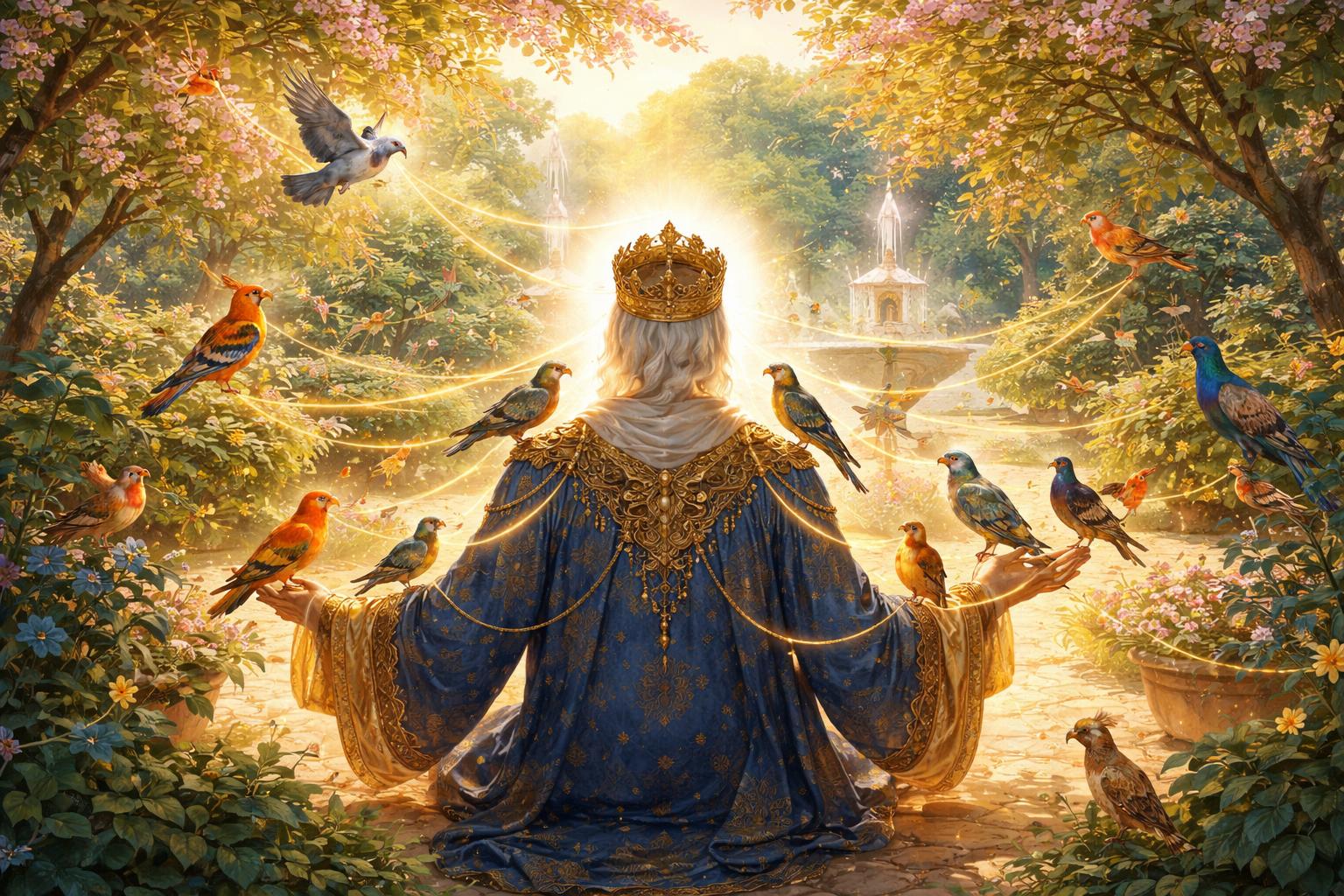
The Quran tells us: "And Sulayman inherited from Dawud. He said, 'O people, we have been taught the language of birds, and we have been given from all things. Indeed, this is the clear bounty of Allah.'" Sulayman (AS) could understand the speech of every creature. When a sparrow chirped on a branch, he heard its prayer to Allah. When a lion roared in the wild, he understood its praise. The entire living world was an open book to him.
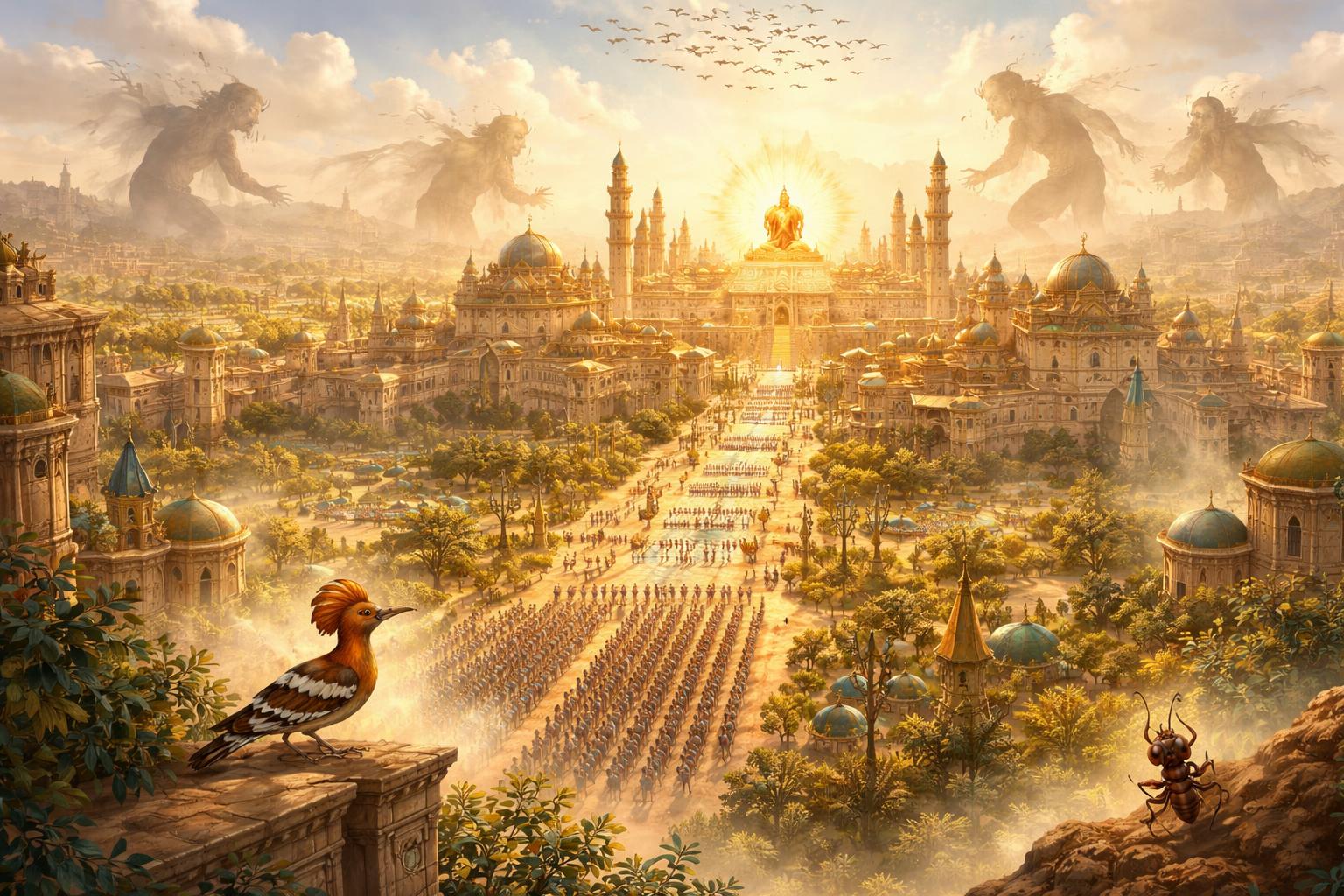
Allah also gave him command over the wind. The Quran says the wind would travel at his command, carrying his throne and his armies across vast distances in a single morning that would have taken others a month to cross. And Allah placed the jinn under his authority. These powerful, invisible beings that most people feared worked for Sulayman (AS), building palaces, diving into the sea for pearls, and crafting magnificent works of art.
But with all this power, Sulayman (AS) never became proud. He never forgot where his gifts came from. Every morning, he would look at his magnificent kingdom and say, "This is from the bounty of my Lord, to test me whether I am grateful or ungrateful."
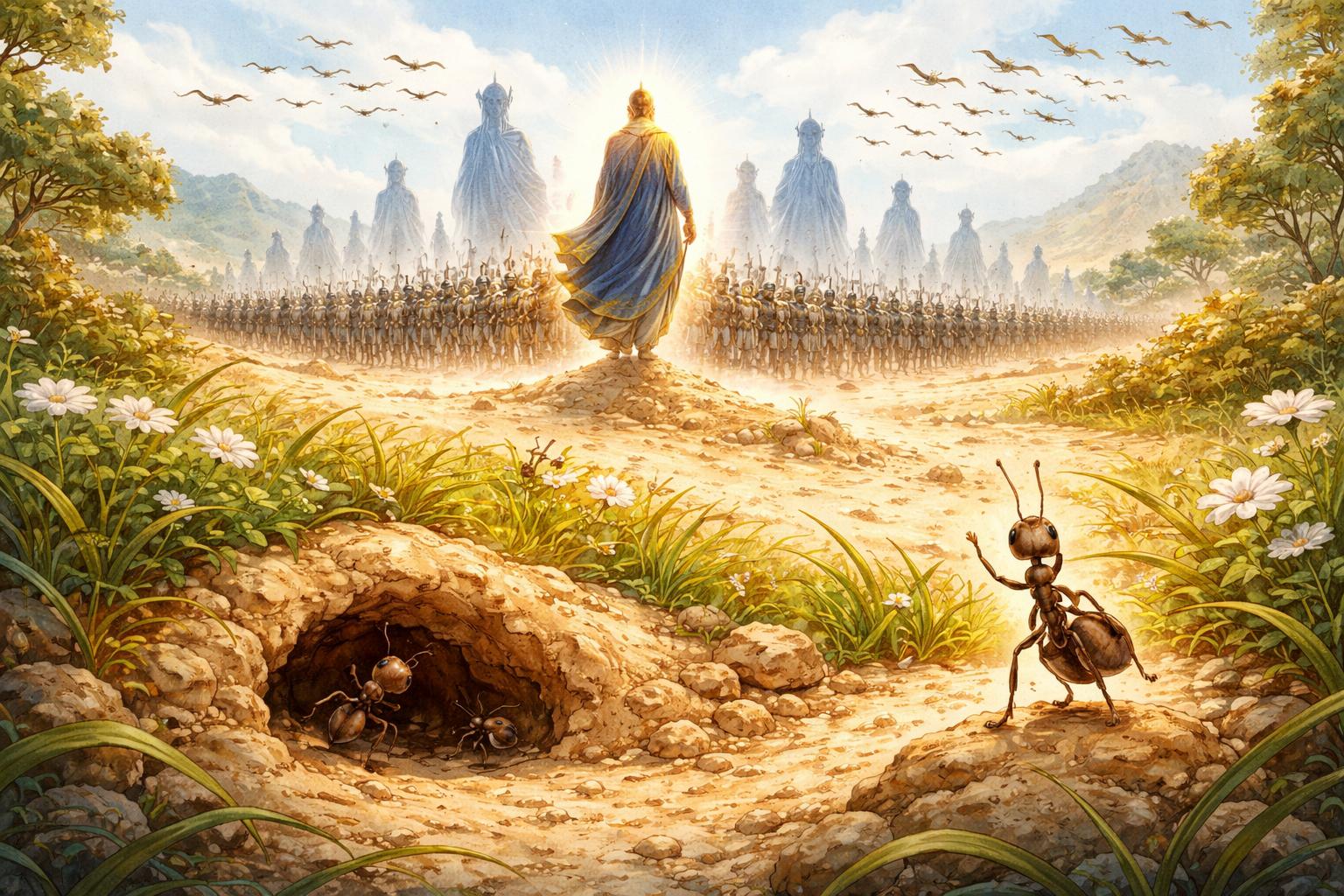
One day, Sulayman (AS) was marching with his enormous army. It was a grand procession: rows of soldiers, ranks of jinn, and flocks of birds flying in perfect formation overhead. The ground trembled with the march. The sky was filled with the sound of wings and the movement of a great force.
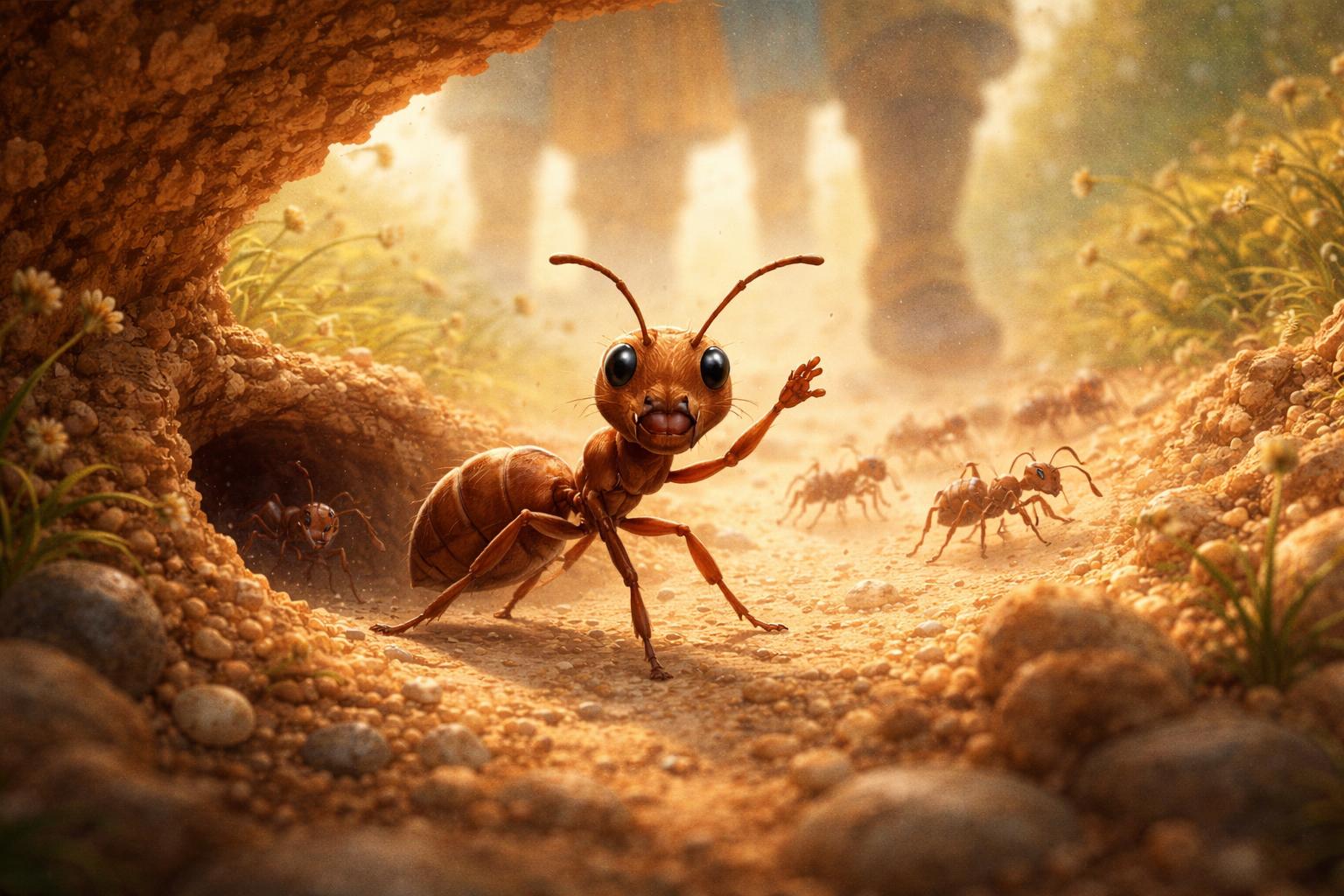
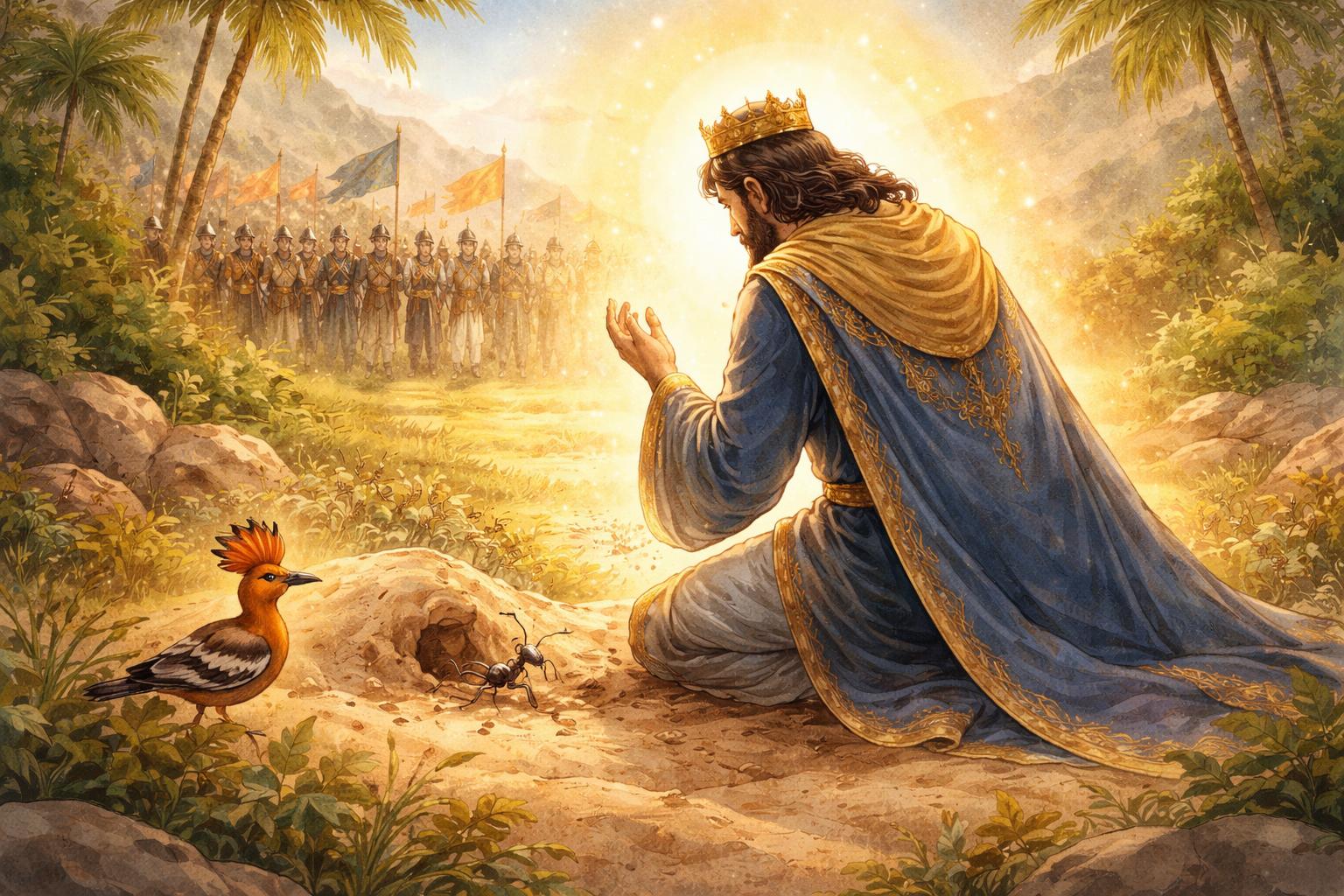
They came to a valley, and something extraordinary happened. A tiny ant, standing at the entrance to her colony, saw the army approaching. She cried out to her fellow ants: "O ants! Enter your homes so that Sulayman and his soldiers do not crush you without even knowing it!"
Now think about this. A tiny ant, so small you could barely see her, speaking about the greatest king on earth. And what did Sulayman (AS) do? Did he laugh? Did he ignore her? Did he say, "I am a king; what does an ant matter?"
No. The Quran tells us: "He smiled, laughing at her words, and said, 'My Lord, inspire me to be grateful for Your favor which You have bestowed upon me and upon my parents, and to do righteousness of which You approve. And admit me by Your mercy among Your righteous servants.'"
He smiled with tenderness, not mockery. He heard a tiny ant, and instead of feeling superior, he turned to Allah in gratitude. He asked Allah to help him be worthy of his blessings. This is the mark of true greatness: the more power you have, the more humble you become.
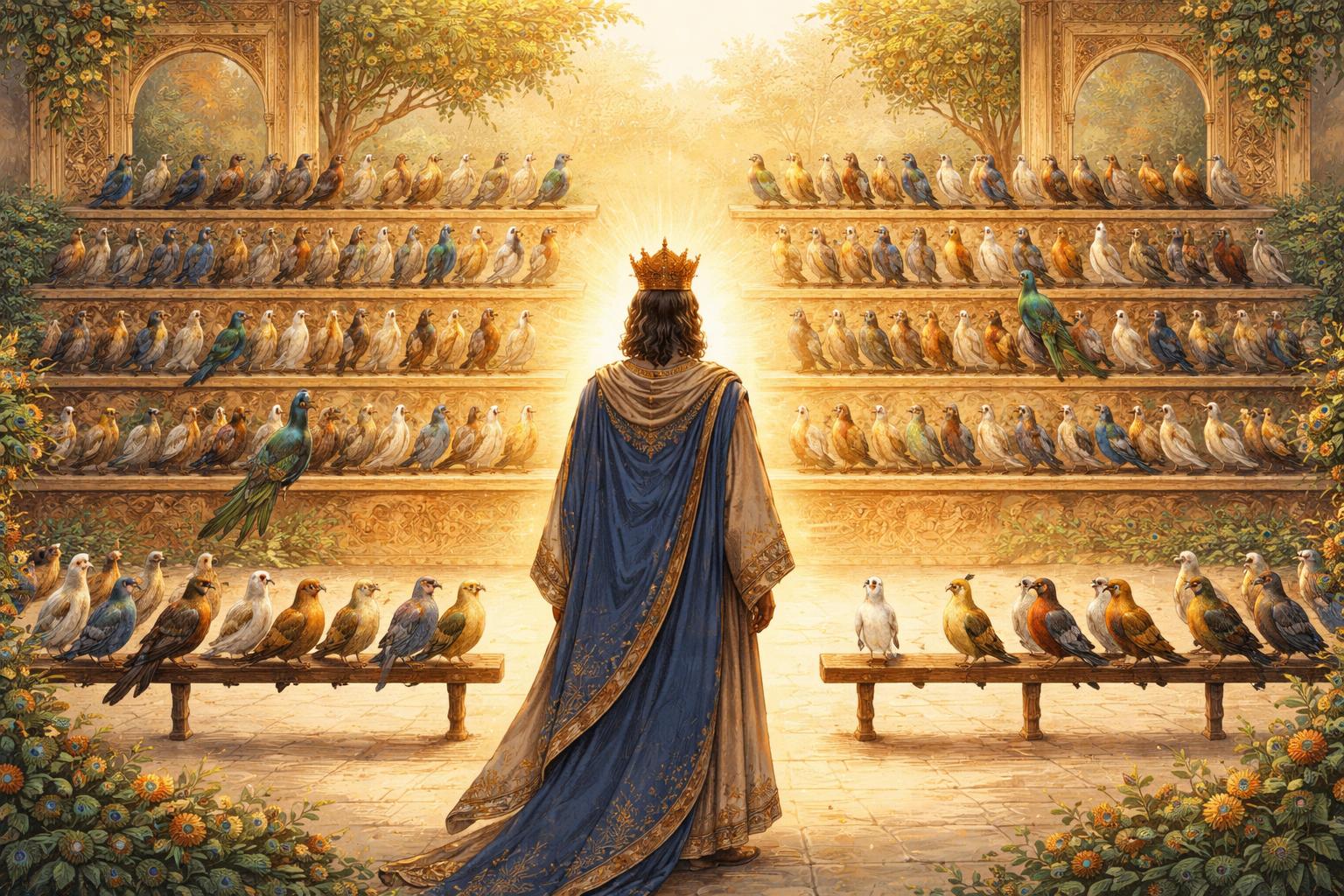
Then came the story of the hoopoe bird. Sulayman (AS) would review his army regularly, checking that every creature in his service was present and accounted for. One day, he noticed that the hoopoe, a small bird with a beautiful crown of feathers, was missing.
Sulayman (AS) was not pleased. "Why do I not see the hoopoe?" he said. "Or is he among the absent? I will surely punish him with a severe punishment, or I will slaughter him, unless he brings me a clear reason."
The hoopoe returned soon after, and it had remarkable news. "I have learned something you have not learned," the hoopoe said to the king. "I have come to you from Saba with certain news. Indeed, I found a woman ruling over them, and she has been given of all things, and she has a great throne. I found her and her people prostrating to the sun instead of Allah, and Shaytan has made their deeds pleasing to them."
The little hoopoe bird had discovered the kingdom of Saba, modern-day Yemen, ruled by a queen named Bilqis. Despite all her wealth and power, she and her people were worshipping the sun instead of Allah. The hoopoe was so troubled by this that it rushed back to report.
Sulayman (AS) listened carefully to the bird's report. He did not dismiss it because it came from a small creature. He treated the hoopoe's intelligence with the same seriousness he would have given a human messenger. Then he said, "We will see whether you have told the truth or whether you are of the liars."
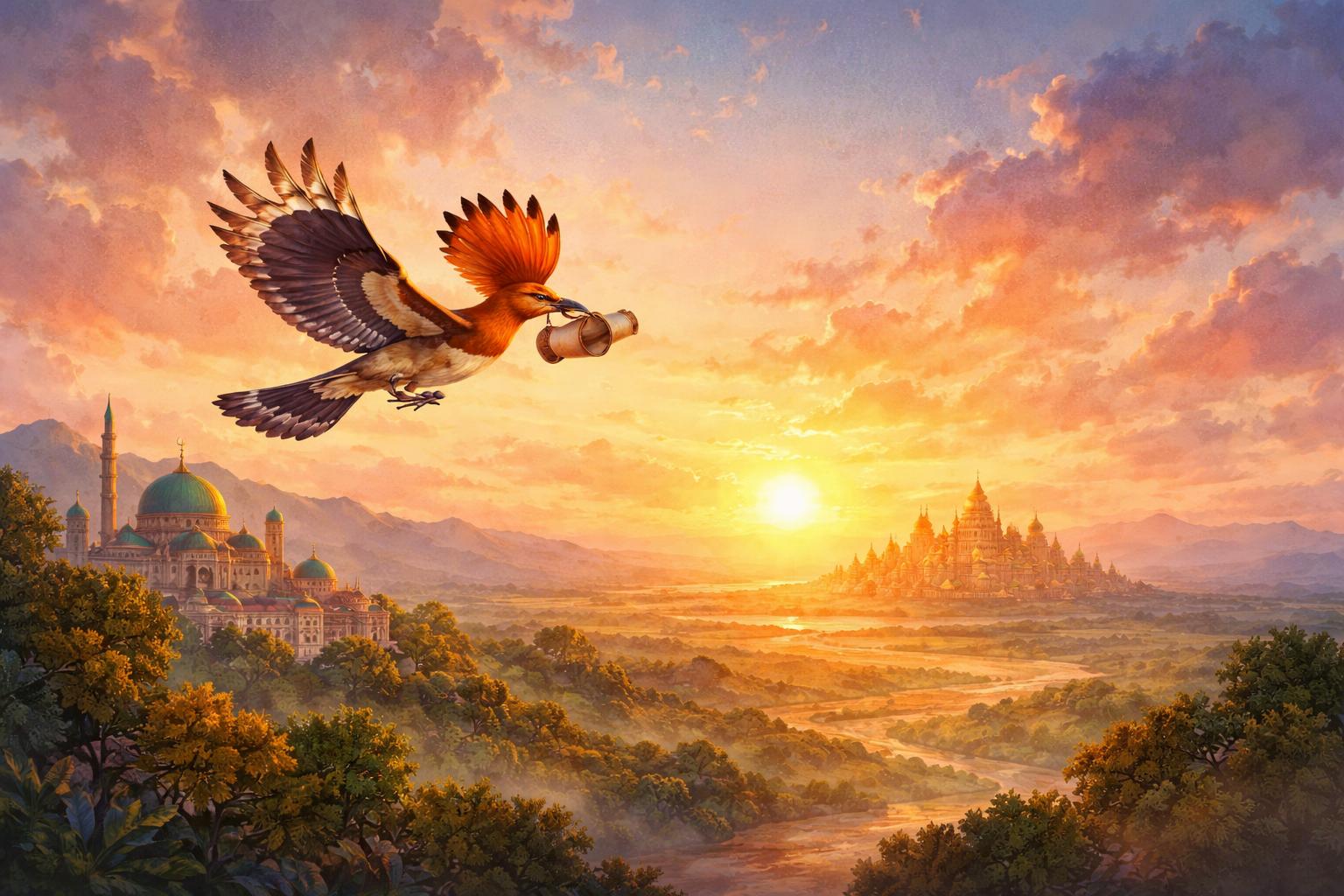
He wrote a letter to Queen Bilqis, inviting her to the worship of the One True God, Allah. This letter, carried by the hoopoe bird, would begin a remarkable encounter between two great rulers, a story we will hear tomorrow night, insha'Allah.
The story of Sulayman (AS) with the ant and the hoopoe teaches lessons that are as important for us today as they were thousands of years ago. First, respect every creature. The ant was tiny, but Sulayman (AS) heard her and was moved. In Islam, every living being praises Allah in its own way, and every creature has its place and its rights.
Second, never let power make you arrogant. Sulayman (AS) had more power than any human being in history, yet he spent his time thanking Allah rather than boasting. Imam Ali (AS) said: "The strongest among you is the one who controls his anger, and the most patient among you is the one who forgives when he has power." Sulayman embodied this perfectly.
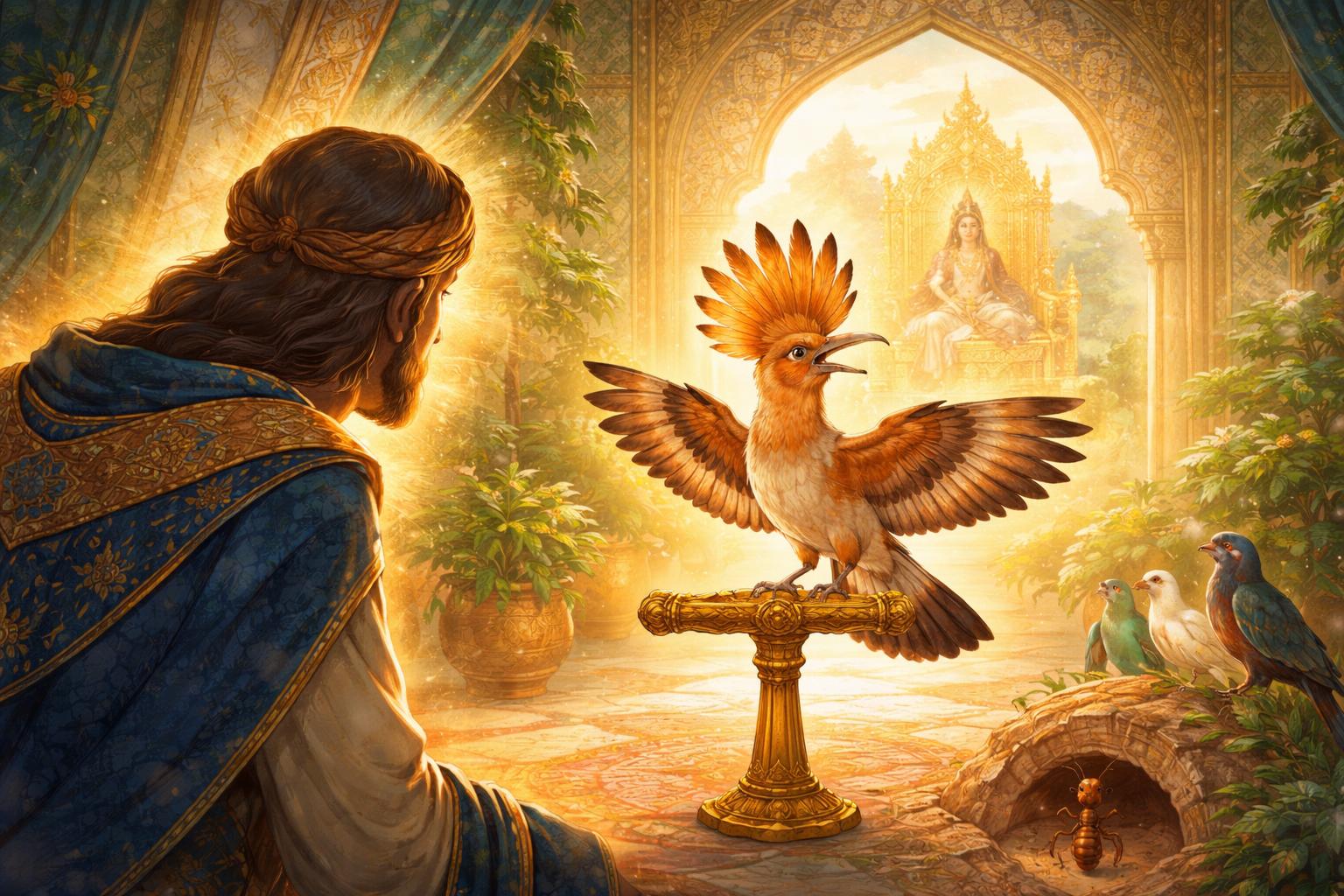
Third, listen to everyone, even the smallest voice. The hoopoe was a tiny bird, but it brought information that a thousand spies could not have found. In the Shia tradition, this parallels the teaching that wisdom can come from any source, and a true leader listens before acting.
Imam Sadiq (AS) taught that the knowledge of even the smallest creatures contains signs of Allah's wisdom. Every ant colony, every bird's nest, every spider's web is a masterpiece of divine design. When we learn to see Allah's signs in the smallest things, we begin to understand the vastness of His creation.
Key Verse
"Hatta idha ataw 'ala waadin-naml, qalat namlatun ya ayyuhan-namlu udkhulu masakinakum, la yahtimannakum Sulaymanu wa junuduhu wa hum la yash'urun" "Until, when they came upon the valley of the ants, an ant said, 'O ants, enter your homes so that Sulayman and his soldiers do not crush you while they do not perceive.'" -- An-Naml (27:18)
Reflection Questions
- Sulayman (AS) smiled at the ant and turned to Allah in gratitude instead of feeling proud. How can you practice being grateful when you receive good things, instead of feeling better than others?
- The hoopoe bird, though small, brought important news that even the great king did not know. What does this teach us about listening to others, even when they seem less important or powerful than us?
- Sulayman (AS) said his kingdom was a test from Allah. Do you think blessings like talent, wealth, or popularity can be tests? How can we make sure we pass those tests?
What if you could talk to animals? What if you could understand what the birds are singing, what the ants are saying, and what the bees are buzzing about? What if the wind could carry you wherever you wanted to go? That sounds like the best dream ever, does it not? But for Prophet Sulayman, peace be upon him, it was all real! Tonight we are going to hear about the most amazing king who ever lived, and the most important lesson he teaches us.
Sulayman was the son of Prophet Dawud, the singing king whose story we heard last night. Do you remember how Dawud could make the mountains sing and shape iron with his hands? Well, Allah gave Sulayman gifts that were even more wonderful than those!
When Dawud passed away, Allah chose Sulayman to be the next leader. But Allah did not just make him a regular king. Oh no! Allah gave Sulayman gifts that no other person in the whole world has ever had, before or after him.
First, and this is the most exciting one, Sulayman could talk to animals! He could understand every single creature that Allah ever made. When a little sparrow chirped on a tree branch, Sulayman could hear exactly what it was saying. Maybe it was saying, "Good morning, Allah! Thank you for the sunshine!" When a lion roared in the forest, Sulayman knew its words. When tiny, tiny ants whispered to each other deep underground, Sulayman could hear that too! The Quran tells us that Sulayman said, "O people, we have been taught the language of birds, and we have been given from all things."
Second, Allah gave him power over the wind. The wind would do whatever Sulayman asked. It could carry his things across huge, faraway lands in just one morning. A trip that would take other people a whole month of walking, the wind could do for Sulayman before lunchtime! Can you imagine riding the wind like that?
Third, the jinn worked for Sulayman. The jinn are invisible beings that Allah created. They are very strong and powerful. For Sulayman, the jinn built tall, beautiful buildings that touched the clouds. They dived deep into the ocean to find shiny pearls and sparkling treasures. They made amazing works of art. Whatever Sulayman needed built or made, the jinn could do it.
Now, here is the most important part of the whole story. Listen carefully, because this is the best lesson. Even with all these amazing powers, Sulayman never became proud. He never showed off. He never walked around saying, "Look how great I am! Look at everything I have!" Instead, every single morning, Sulayman would look at all the wonderful things around him and say, "This is from the bounty of my Lord, to test me whether I am grateful or ungrateful."
Did you hear that? He said his powers were a test from Allah! He knew that having a lot of blessings does not make you better than other people. It just means you have to be extra thankful and extra careful to use those blessings for good things, not for showing off.
One day, Sulayman was marching with his huge army. And what an army it was! There were rows and rows of strong soldiers marching in perfect lines. There were ranks of jinn marching along behind them. And high up in the sky, flocks of birds flew in perfect formation, like a parade in the air. The ground shook with every step the army took. It was the most amazing sight anyone had ever seen!
As this enormous army marched through a valley, a tiny little ant saw them coming. This ant was so, so small. If you put her on your finger, you could barely see her. She was smaller than a grain of rice! But this little ant was very brave and very smart. She was the leader of her ant colony, and she loved her family.
She cried out to all the other ants: "O ants! Hurry, hurry! Go into your homes quickly, so that Sulayman and his army do not step on you by accident!"
Now think about this. A tiny, tiny ant, smaller than a crumb, talking about the most powerful king in the whole world. She was smaller than his smallest toenail! What do you think Sulayman did when he heard her? Did he ignore her? Did he laugh at her? Did he say, "I am a great king with a huge army, and I do not care about little ants"?
No! Not at all! The Quran tells us that Sulayman smiled. He smiled a warm, gentle, happy smile. And then, instead of feeling proud about his big powerful army, he turned to Allah and prayed: "My Lord, help me to be grateful for all the good things You have given me and my parents. And help me to do good things that make You happy."
Is that not beautiful? The most powerful king in the world heard a tiny ant, and instead of feeling proud, he felt thankful! He did not think he was too important to care about a little creature. He knew that every living thing matters to Allah. Every bird, every fish, every butterfly, every little ant matters to Allah.
Another day, Sulayman was checking on all the birds in his kingdom. He would count them to make sure everyone was there, just like a teacher counts the children in class to make sure nobody is missing. But wait, one bird was not there! It was the Hoopoe bird.
The Hoopoe is a small, pretty bird with a crown of feathers on its head that sticks up like a little fan. It is one of the most beautiful birds you will ever see. Sulayman looked all around and said, "Where is the Hoopoe? I do not see it anywhere! It had better have a very good reason for being gone, or it will be in big trouble!"
A little while later, the Hoopoe came flying back as fast as its wings could carry it. And it was so excited! It had amazing news!
"O King Sulayman!" the Hoopoe said. "I found something you do not know about! I flew very far away, farther than I have ever flown before, and I found a land called Saba. There is a queen there named Bilqis. She has a huge, beautiful throne covered in gold and jewels. Her kingdom is very, very rich. But there is a problem! Her people do not pray to Allah. They pray to the sun instead!"
The little Hoopoe was so upset that people were praying to the sun and not to Allah. Even though it was just a small bird, it knew that this was wrong. The sun is just something Allah created. You should pray to the Creator, not to what He created!
And what did Sulayman do? Did he say, "You are just a tiny bird. What do you know about anything?" No! Sulayman listened very carefully to every single word the Hoopoe said. He took the little bird's news just as seriously as if a human general had brought it. Then he said, "We will check and see if what you say is true."
Sulayman decided to write a letter to Queen Bilqis, inviting her and her people to believe in Allah, the one true God. He gave the letter to the Hoopoe bird to carry all the way across the land to the kingdom of Saba. And we will find out what happened when Bilqis got that letter tomorrow night, insha'Allah!
The story of Sulayman with the ant and the Hoopoe teaches us three very important lessons.
First, respect every creature, no matter how small. The tiny ant mattered to Sulayman, and she matters to Allah. In Islam, every living being praises Allah in its own special way. Even the ants under the ground are praising Allah!
Second, never let having nice things make you proud. Sulayman had more power than any person who ever lived, but he spent his time thanking Allah, not bragging. Imam Ali (AS) said: "The strongest person is the one who controls his anger, and the most patient person is the one who forgives when he has the power to punish." Sulayman was exactly like that. He was powerful, but he was gentle and humble.
Third, listen to everyone, even the smallest voice. The Hoopoe was a tiny bird, but it brought the most important news! Imam Sadiq (AS) taught that wisdom can come from anywhere. A true leader listens to everyone, big or small, young or old.
Key Verse
"Hatta idha ataw 'ala waadin-naml. Qalat namlatun ya ayyuhan-namlu udkhulu masakinakum la yahtimannakum Sulaymanu wa junooduhu wa hum la yash'uroon." "When they came to the valley of the ants, an ant said: O ants, go into your homes so Sulayman and his army do not crush you without knowing." -- An-Naml (27:18)
Let's Talk About It
- Sulayman could talk to animals! If you could talk to one animal, which one would you choose and what would you ask it?
- Sulayman stopped his whole army because of a tiny ant. What does this teach us about how we should treat small creatures like ants, bugs, and birds?
- Even though Sulayman was the most powerful king ever, he always thanked Allah. Why is it important to say "thank you" to Allah, especially when we have a lot of good things?