The Builder of the Wall: Dhul Qarnayn's Justice
Using power for good; protecting the vulnerable
Tonight we begin the last ten nights of Ramadan, the nights of freedom from the Fire. These are the most precious nights of the entire month, and we begin with a story about a traveler unlike any other, a man who journeyed to the ends of the earth and used his extraordinary power not for himself, but for others. This is the story of Dhul Qarnayn, the Two-Horned One.
The Quran introduces Dhul Qarnayn with a question. People asked the Prophet Muhammad (PBUH) about him, and Allah answered: "Indeed, We established him upon the earth, and We gave him from everything a way." In other words, Allah gave this man the resources, the knowledge, and the ability to travel anywhere on earth and accomplish anything he set his mind to. He was a ruler whose power stretched from east to west.
But who was Dhul Qarnayn? Scholars have debated this for centuries. Some say he was a righteous king, perhaps Alexander or Cyrus the Great. Others say he was a prophet. What the Quran makes clear is that he was a man given great power by Allah, and he used that power justly. His identity matters less than his example.
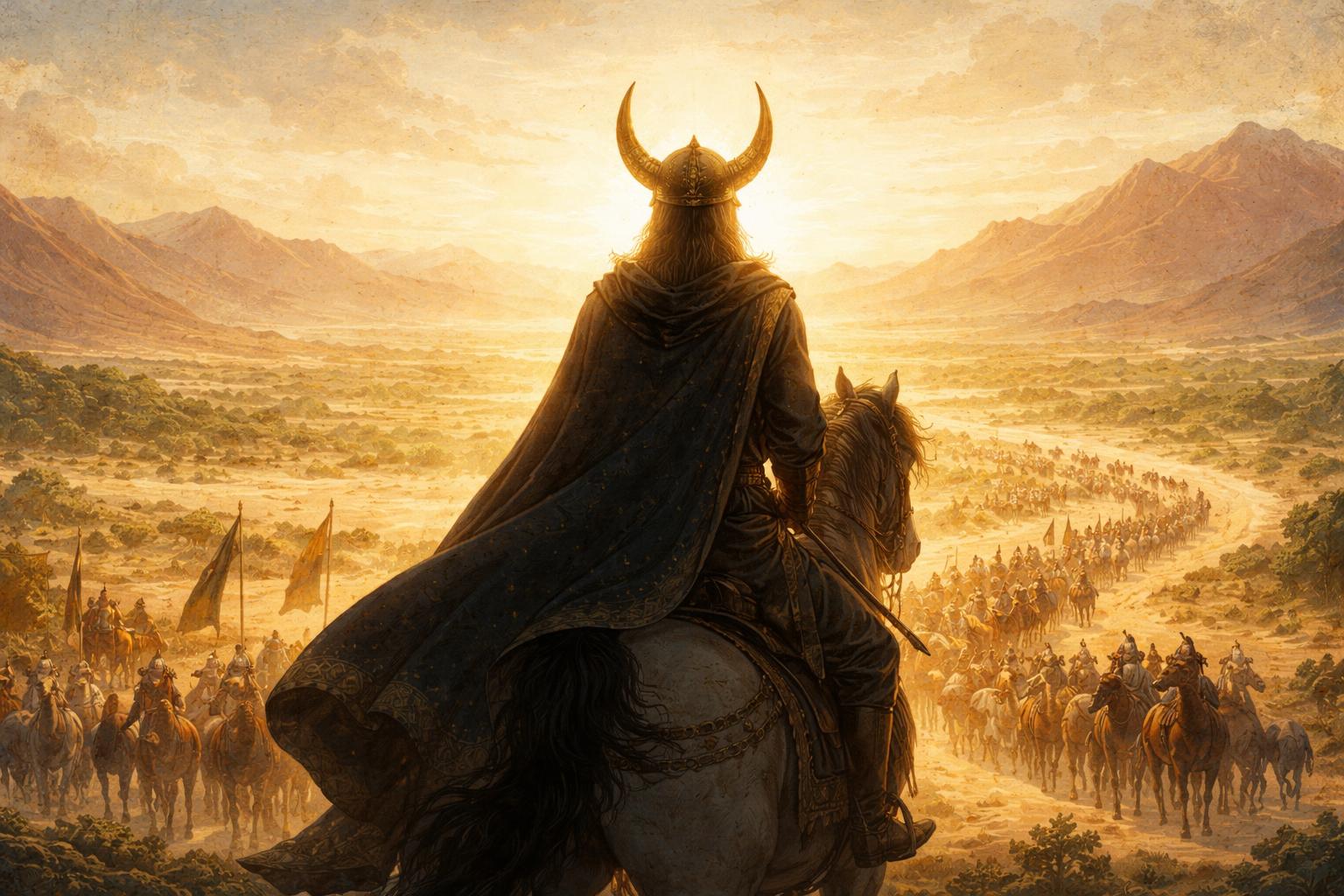
Dhul Qarnayn set out on three great journeys, each one taking him to the edge of the known world.
On his first journey, he traveled west until he reached the setting place of the sun. The Quran describes it poetically: he found the sun setting "in a spring of dark mud." This was likely the edge of a vast ocean or dark waters where, from his vantage point, the sun appeared to sink into the earth. There he found a people, and Allah gave him a choice: "O Dhul Qarnayn, either you punish them or treat them with goodness."
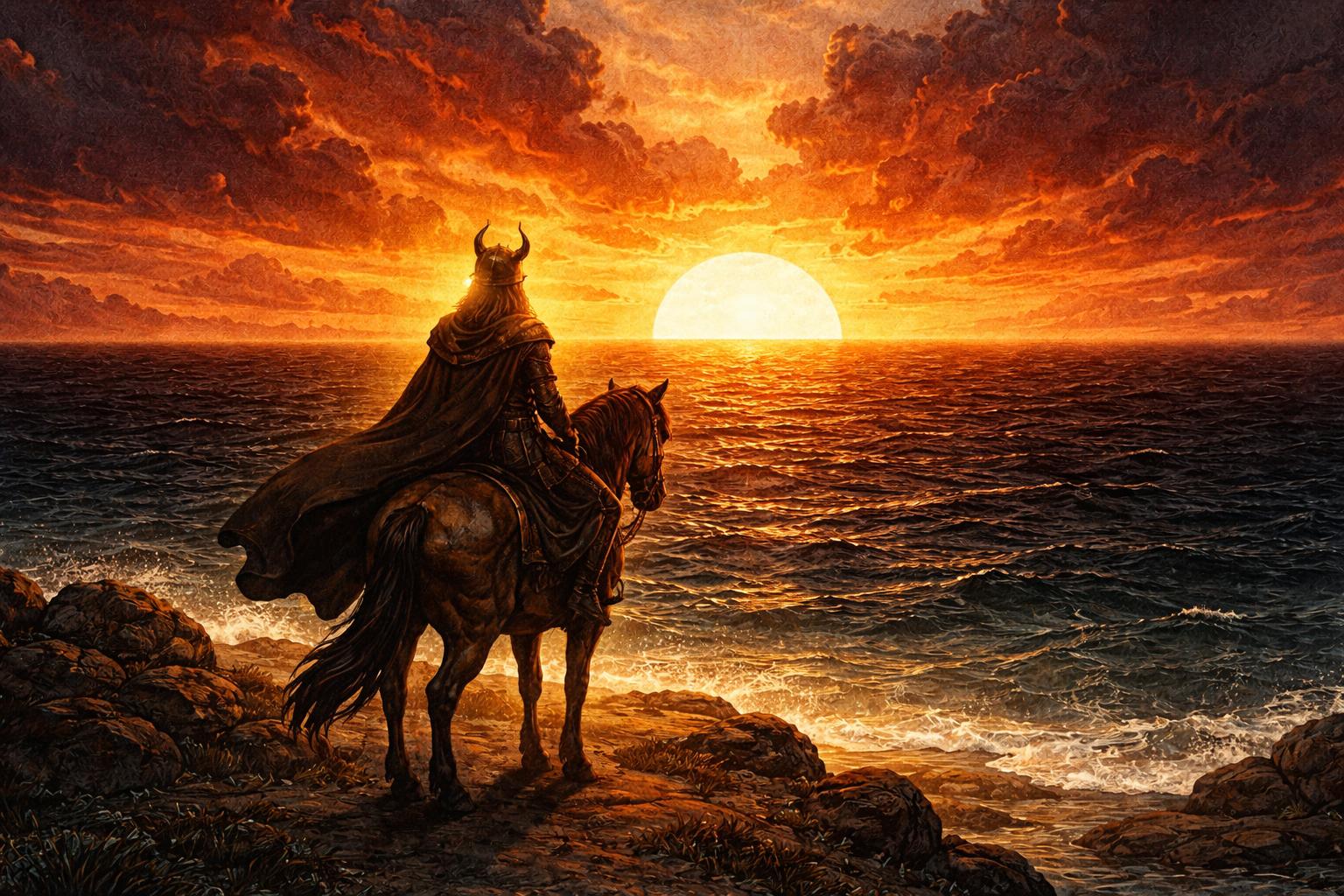
This is a remarkable moment. Here was a man with absolute power over a conquered people, and instead of simply imposing his will, he chose justice. He said: "As for one who wrongs others, we will punish him. Then he will be returned to his Lord, and He will punish him with a terrible punishment. But as for one who believes and does righteousness, he will have a reward of paradise, and we will speak to him from our command with ease."
He established a system: those who did wrong would face justice, but those who were good would be rewarded and treated with kindness. He did not rule through fear alone. He ruled through fairness.
On his second journey, he traveled east until he reached the rising place of the sun. There he found a people who had no shelter from the sun at all, living in open land with nothing to shade them. The Quran says: "We had encompassed what was with him in knowledge." Allah knew this leader's heart, and it was good.
Then came the third journey, the one the Quran tells in the most detail, because it contains the greatest lesson.
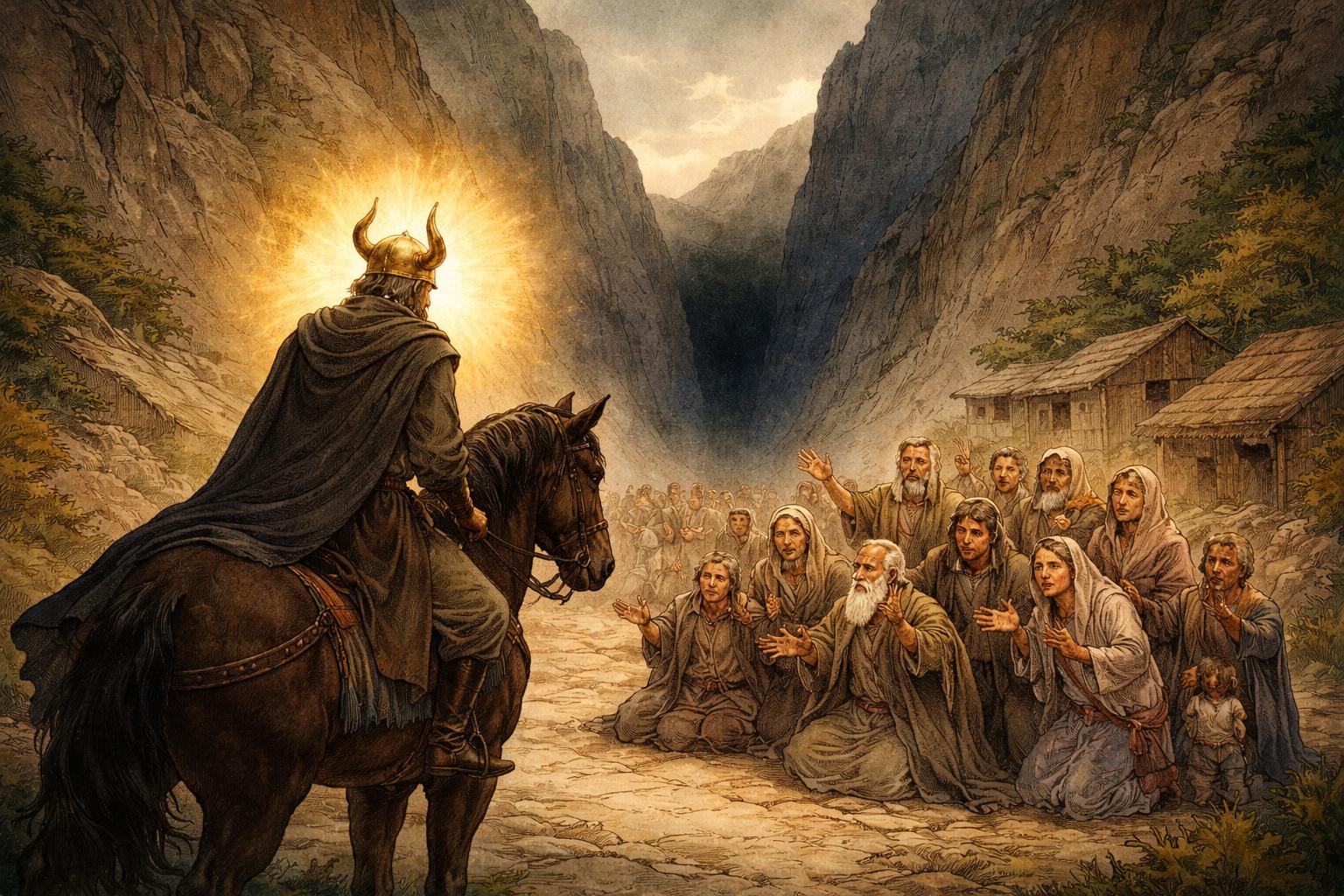
Dhul Qarnayn traveled until he reached a place between two mountains. There he found a people who could barely understand speech, a people isolated and vulnerable. They came to him with desperation in their eyes and said: "O Dhul Qarnayn, indeed Gog and Magog are causing great corruption in the land. May we assign you a payment so that you might make between us and them a barrier?"
Gog and Magog, Ya'juj and Ma'juj, were described as fierce, destructive forces that would sweep through the land, destroying everything in their path. These vulnerable people lived in constant terror, unable to defend themselves against the raids that came through the mountain pass.
Now, Dhul Qarnayn had every reason to take their money and build a simple wall. Or he could have ignored their plea entirely; these were not his people, not his problem. But his response reveals the heart of a truly just leader.
He said: "What my Lord has established me in is better than your payment." He did not need their money. What Allah had given him was more than enough. But then he added something crucial: "So aid me with strength, and I will make between you and them a dam."
He did not simply give them charity. He asked them to contribute their labor, their effort. He would lead the project and provide the expertise, but they would work alongside him. This is the mark of a wise leader: he empowers people rather than making them dependent.
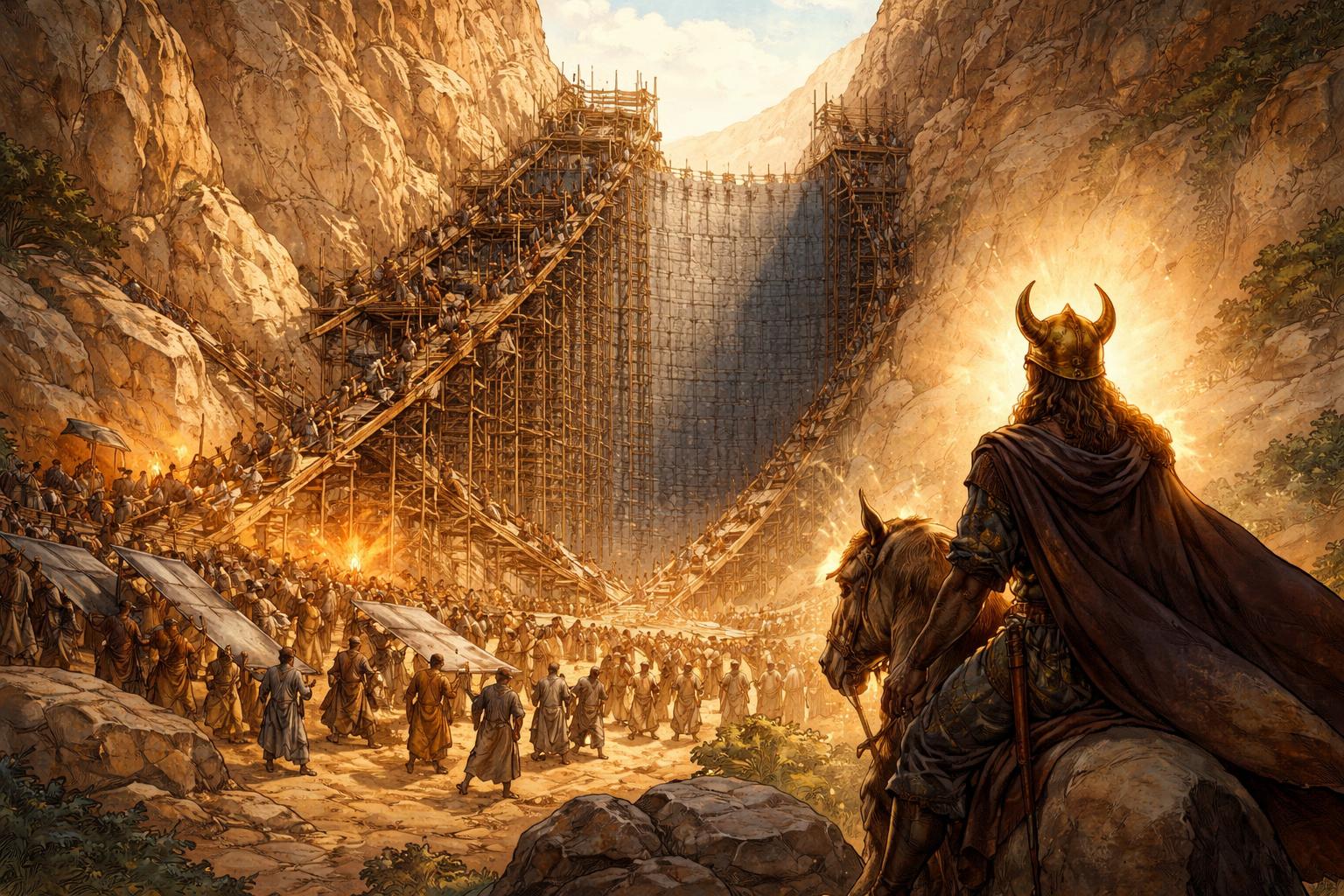
And so the great construction began. "Bring me sheets of iron," he commanded. The people brought iron, and he piled it between the two mountain cliffs, higher and higher, until the gap was filled. Then he said, "Blow," and they used bellows to heat the iron until it glowed red-hot. Then he poured molten copper over the iron, fusing it into a barrier so strong that Gog and Magog could neither scale it nor dig through it.
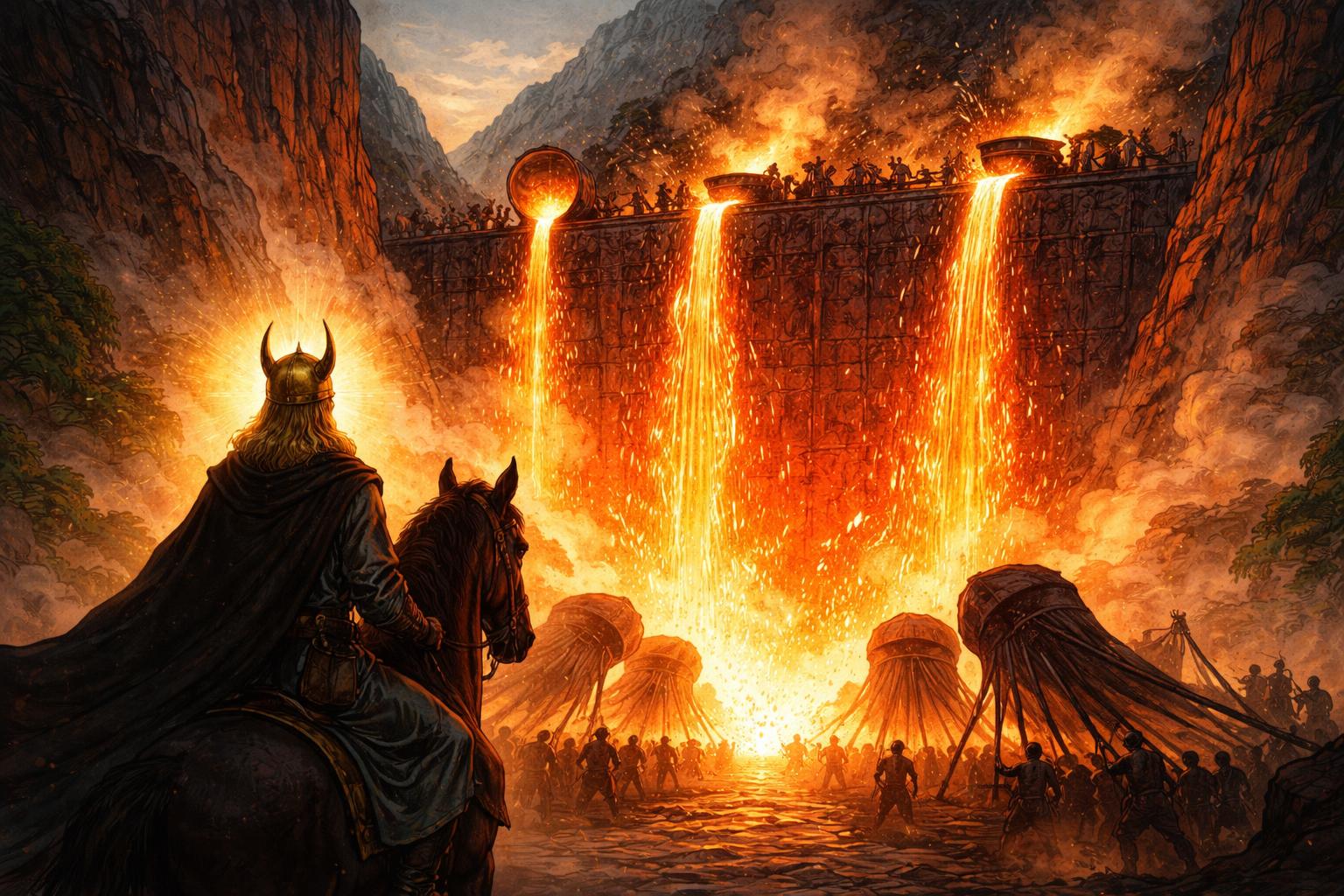
The wall was complete. The pass between the mountains was sealed. The vulnerable people were safe.
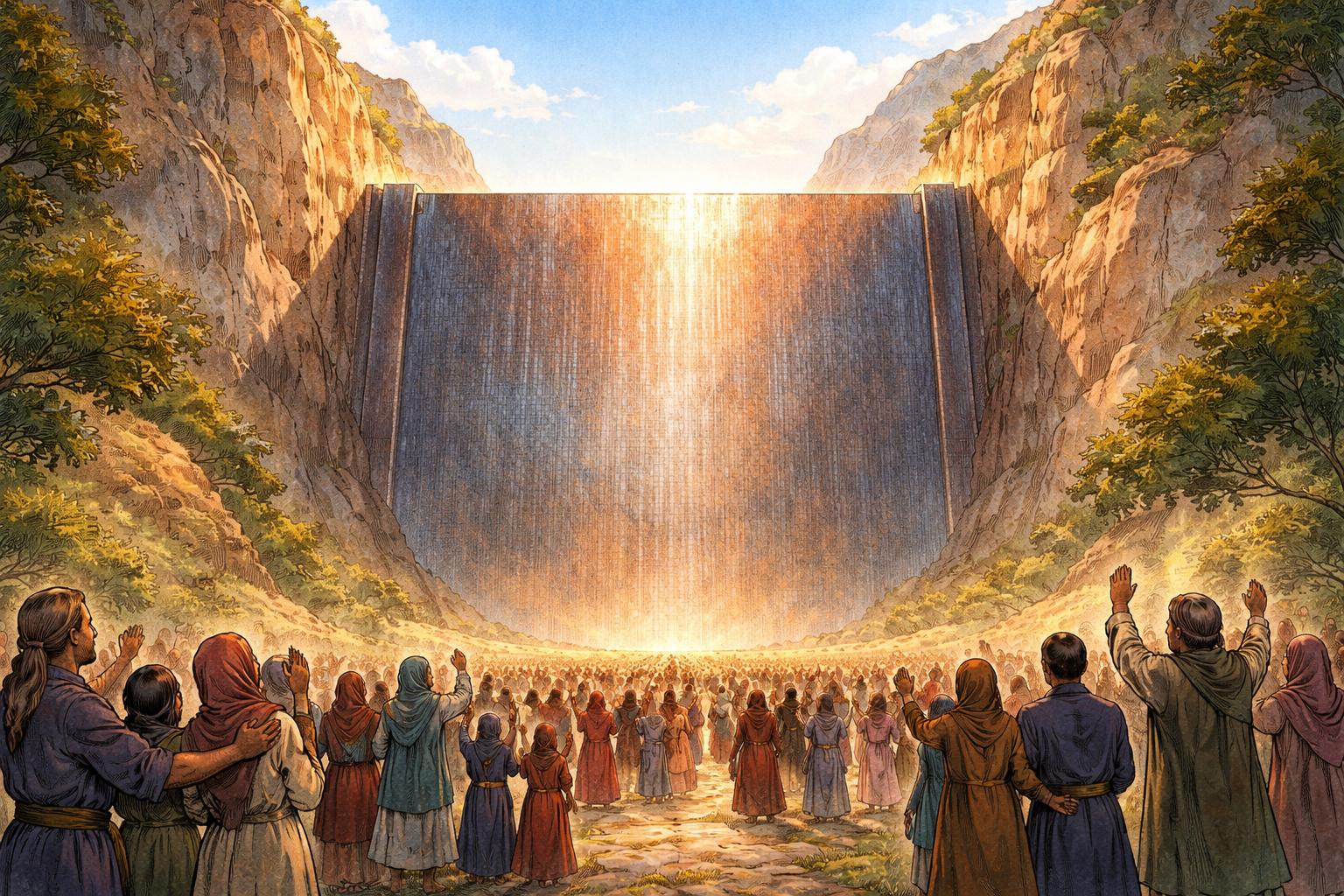
But Dhul Qarnayn did not celebrate with pride. He did not carve his name into the wall or demand that the people build statues in his honor. Instead, he looked at this magnificent structure, this feat of engineering that had required the strength of an army and the resources of a kingdom, and he said something extraordinary:
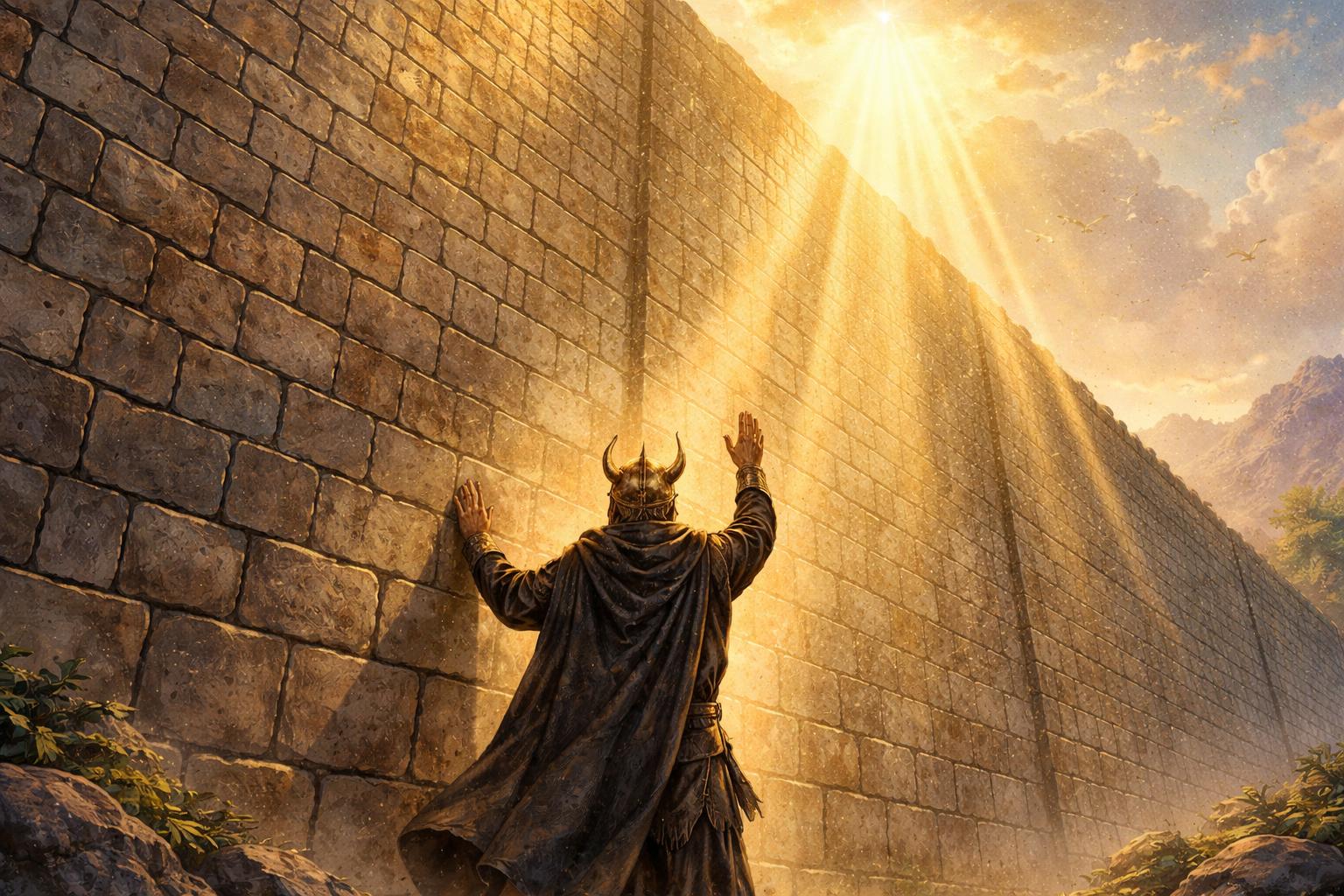
"This is a mercy from my Lord. But when the promise of my Lord comes, He will make it level with the ground. And the promise of my Lord is ever true."
Even as he looked at the greatest accomplishment of his life, he acknowledged that it was temporary. Allah alone is permanent. Every wall, every kingdom, every structure built by human hands will one day return to dust. Only Allah's promise endures forever.
This is perhaps the most powerful lesson of Dhul Qarnayn's story. He had more power than almost any person in history. He had traveled from west to east, conquered lands, built the mightiest wall the world had ever seen. And yet he knew, with absolute certainty, that he was just a servant of Allah, and that everything he had built was a mercy from Allah, not from himself.
In the Shia tradition, Dhul Qarnayn's model of just governance resonates deeply. Imam Ali (AS), when he became the leader of the Muslim community, said: "Your affairs shall not be right unless your leaders are right, and your leaders shall not be right unless they are just." Ali (AS) lived this principle. Despite being the most powerful man in the Muslim world, he patched his own clothes, ate simple food, and spent his nights distributing bread to the poor in the dark so no one would know it was the Caliph feeding them.
The Shia tradition also connects Dhul Qarnayn's legacy to the promise of Imam Mahdi (may Allah hasten his appearance), the awaited leader who will one day fill the earth with justice as it is filled with injustice. Like Dhul Qarnayn, the Mahdi will be a leader who uses power only for the protection of the vulnerable and the establishment of fairness.
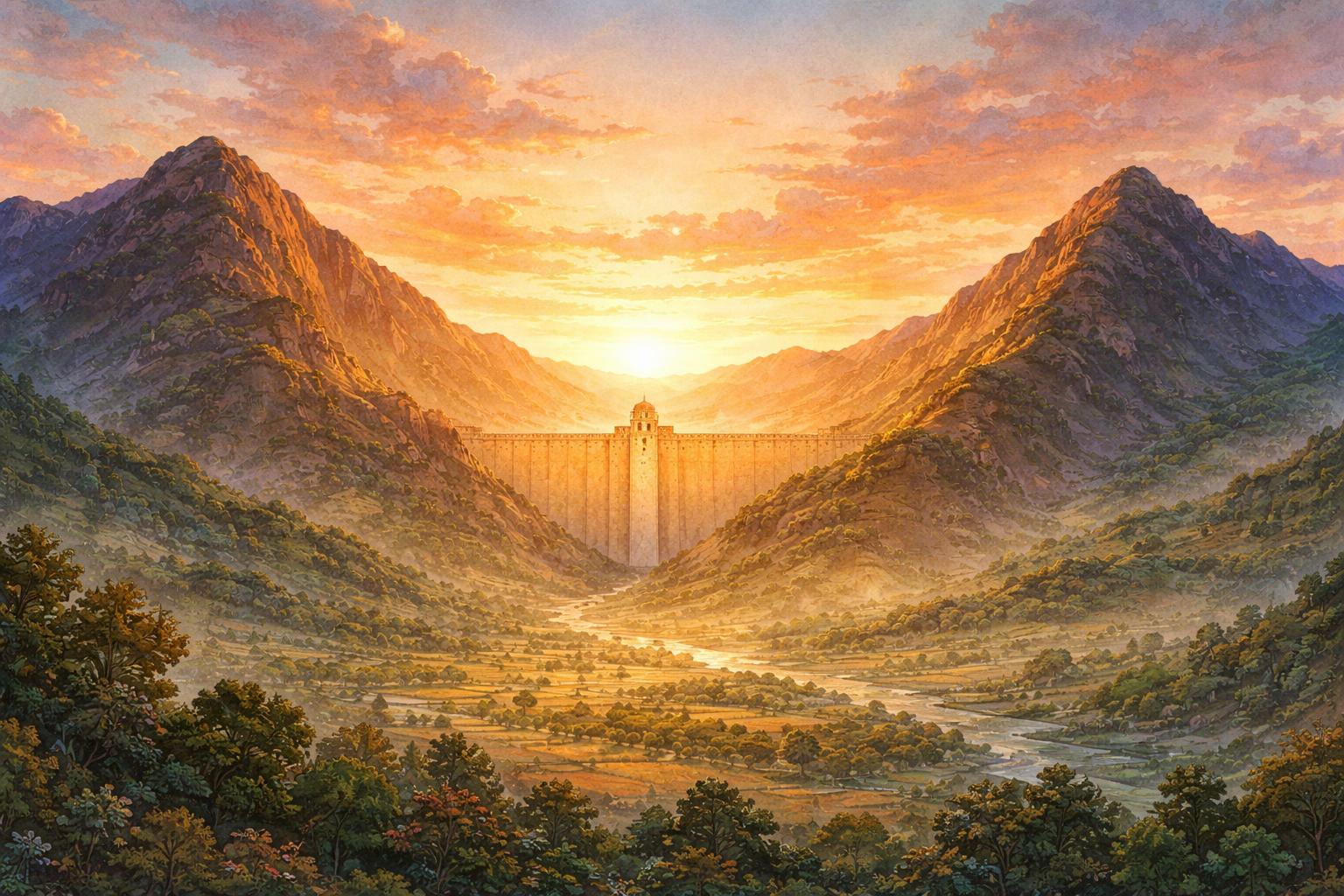
The lesson for us is simpler but no less important: whatever power Allah gives you, whether it is physical strength, intelligence, wealth, popularity, or simply the ability to make someone's day a little better, use it for others. The measure of a good person is not how much power they have, but how they use it. And always remember that every ability, every success, every wall you build, is a mercy from your Lord.
Key Verse
"Qala hadha rahmatun min Rabbi, fa idha ja'a wa'du Rabbi ja'alahu dakka'a, wa kana wa'du Rabbi haqqa" "He said, 'This is a mercy from my Lord. But when the promise of my Lord comes, He will make it level with the ground. And the promise of my Lord is ever true.'" -- Al-Kahf (18:98)
Reflection Questions
- Dhul Qarnayn refused the people's payment and asked for their labor instead. Why do you think helping people help themselves is better than just giving them what they want?
- Even after building the greatest wall in the world, Dhul Qarnayn said it was "a mercy from my Lord." How can we remember to be grateful for our accomplishments without becoming proud?
- Imam Ali (AS) used his power to serve people in secret, not for praise. Can you think of a way to use your abilities to help someone this week without anyone knowing it was you?
Tonight we begin the very special last ten nights of Ramadan! These are the most precious nights of the whole month. And we have a very exciting story for you. It is about a brave traveler named Dhul Qarnayn. His name means "the Two-Horned One," and he went on the most amazing journeys you can imagine. But the best thing about Dhul Qarnayn was not how far he traveled. It was how kind and fair he was to everyone he met.
Allah gave Dhul Qarnayn so many gifts. He was strong. He was smart. He had a big army and lots of helpers. He could go anywhere in the whole world. The Quran tells us that Allah gave him "from everything a way." That means Allah gave him everything he needed to do great things.
But here is what made Dhul Qarnayn so special. He did not use all those gifts just for himself. He did not sit on a golden throne and eat fancy food all day. No, he used his gifts to help people. He set out on three big journeys, and on each one, he tried to make the world a better place.
On his first journey, Dhul Qarnayn traveled west, all the way to where the sun sets. He walked and walked and walked until he reached a place where the sun looked like it was sinking into dark, muddy water. It was probably a big, dark ocean. Can you picture it? The sky all orange and red, and the sun going down, down, down into the water. And there he found a group of people.
Now, Dhul Qarnayn was very powerful. He could have been mean to these people. He could have taken their things. But Allah gave him a choice: "You can punish them, or you can be good to them."
Do you know what Dhul Qarnayn chose? He chose to be fair! He said, "If someone does bad things, we will stop them. But if someone is good and believes in Allah, we will be kind to them and treat them gently." He did not bully anyone. He made rules that were fair for everyone.
On his second journey, Dhul Qarnayn traveled east, all the way to where the sun rises. There he found people living in an open land with no trees, no buildings, nothing to protect them from the hot, hot sun. Allah knew that Dhul Qarnayn's heart was good, so He let him keep traveling and helping people wherever he went.
Then came the third journey. This is the most exciting part of the whole story!
Dhul Qarnayn traveled until he reached a valley between two huge mountains. The mountains were so big and so high that they seemed to touch the clouds. And in that valley, he found a group of people who were very, very scared.
These people could barely talk to Dhul Qarnayn because they spoke a different language. But he could see the fear in their big, worried eyes. They pointed toward a gap between the mountains and shook their heads. They were trying to tell him something important.
Slowly, Dhul Qarnayn understood. On the other side of those mountains lived terrible, scary creatures called Gog and Magog, or Ya'juj and Ma'juj. These creatures would come rushing through the gap in the mountains and destroy everything! They would break houses, steal food, and scare people. The villagers lived in fear every single day.
The people begged Dhul Qarnayn for help. "Please!" they said. "We will pay you! We will give you money and gold. Just build a wall between us and those scary creatures!"
Now, listen carefully to what Dhul Qarnayn said. He said, "I do not need your money. What Allah has given me is better than any payment." He did not want their gold or their coins. But then he said something very wise: "Help me with your strength. Work with me, and together we will build a wall."
Can you see why that was so smart? He did not just say, "Sit down and I will do it all for you." He asked the people to help. That way, they could feel proud of the wall, too. They were not just waiting for someone to save them. They were part of the team!
And so the big building project began. Everyone worked together. "Bring me sheets of iron!" Dhul Qarnayn called out. And the people brought big, heavy pieces of iron, one after another after another. They piled the iron between the two mountains, higher and higher and higher, until the iron filled the whole gap from one mountain to the other. It was like the biggest stack of building blocks you have ever seen!
Then Dhul Qarnayn said, "Now blow!" The people pumped big bellows, which are like giant fans that push air onto fire. The air made the fire super, super hot, and the iron started to glow bright red, like the inside of a volcano!
Then Dhul Qarnayn poured melted copper, a shiny golden liquid, all over the hot iron. The copper mixed with the iron and made the wall super, super strong. When it cooled down, the wall was so hard that Gog and Magog could not climb over it. They could not dig through it. They could not break it. The people were safe at last!
Can you imagine how happy those villagers must have been? They must have cheered and hugged each other and danced with joy. Their homes were safe. Their children were safe. No more scary creatures coming through the mountains!
But here is the most beautiful part of the whole story. After building this amazing, giant wall, Dhul Qarnayn did not brag. He did not say, "Look how great I am! I am the best builder in the world!" He did not put up a sign with his name on it.
Instead, he looked at the wall and said something very humble. He said, "This is a mercy from my Lord. But when the promise of my Lord comes, He will make it flat with the ground. And the promise of my Lord is always true."
Do you know what that means? Dhul Qarnayn was saying, "I did not build this wall by myself. Allah helped me. Allah gave me the strength and the knowledge. This wall is a gift from Allah, not from me. And one day, even this big wall will crumble, because only Allah lasts forever."
That takes a very special kind of person. When you do something really good, like draw a beautiful picture or help your little brother, it feels nice to say, "I did that!" And it is okay to feel happy. But Dhul Qarnayn reminds us to also say, "Alhamdulillah," which means "all thanks to God," because everything we can do is a gift from Allah.
In our Shia tradition, we learn about leaders who were just like Dhul Qarnayn. Imam Ali (peace be upon him), the cousin and special helper of Prophet Muhammad (peace be upon him and his family), was one of the most powerful men in the whole Muslim world. But do you know what he did with his power? He patched his own clothes instead of buying new ones. He ate simple food. And at night, when it was very dark, he would walk through the streets carrying bread to give to poor families. He would hide his face so nobody would know it was him!
Imam Ali said that leaders must be fair and good. That is what makes them real leaders, not crowns or gold or big palaces.
We also believe that one day, a very special leader called Imam Mahdi (may Allah bring him soon) will come and fill the whole world with fairness and kindness, just like Dhul Qarnayn filled that gap with a strong wall. Imam Mahdi will protect people who are scared and help people who are weak. What a wonderful day that will be!
So here is the big lesson, and it is a lesson you can use right now, even though you are young. Whatever gifts Allah gives you, whether it is being strong, or being smart, or being good at sharing, or being really kind, use those gifts to help others. You do not have to build a giant iron wall. Maybe you can help a friend who is sad. Maybe you can share your snack. Maybe you can stand up for someone who is being picked on. That is what Dhul Qarnayn would do.
And when you do something good, remember to say, "Thank you, Allah." Because every good thing we do is a mercy from our Lord.
Key Verse
"Qala hadha rahmatun min Rabbi, fa idha ja'a wa'du Rabbi ja'alahu dakka'a, wa kana wa'du Rabbi haqqa" "He said, 'This is a gift of kindness from my Lord. But when my Lord's promise comes, He will make it flat. And my Lord's promise is always true.'" -- Al-Kahf (18:98)
Let's Talk About It
- Dhul Qarnayn asked the people to help him build the wall instead of doing it all by himself. Why do you think working together is better than one person doing everything alone?
- After building the big wall, Dhul Qarnayn said "thank you" to Allah instead of bragging. Can you think of something good you did that you can thank Allah for?
- Imam Ali used to bring bread to poor people at night so nobody would know it was him. Can you think of a nice thing you could do for someone without them knowing it was you?