The Boy Who Believed: The Story of the Ditch
Courage of conviction; faith stronger than death
Tonight's story is about something that takes more courage than fighting a giant or crossing a sea. It is about a boy, not much older than you, who stood before a king and the entire world, and chose faith over life itself. This is the story of the People of the Ditch, and it is a story about the most powerful kind of bravery there is.
Long ago, there lived a king who wanted to be worshipped. He declared himself divine, demanded that his people bow to him, and employed a sorcerer to awe and terrify the masses into obedience. The sorcerer was old and skilled, and the king trusted him completely.
But the sorcerer was growing old, and he told the king, "I am aging. Send me a young boy so that I may teach him my sorcery, so your power will continue after I am gone." The king chose a clever boy from the town and sent him to learn from the sorcerer.
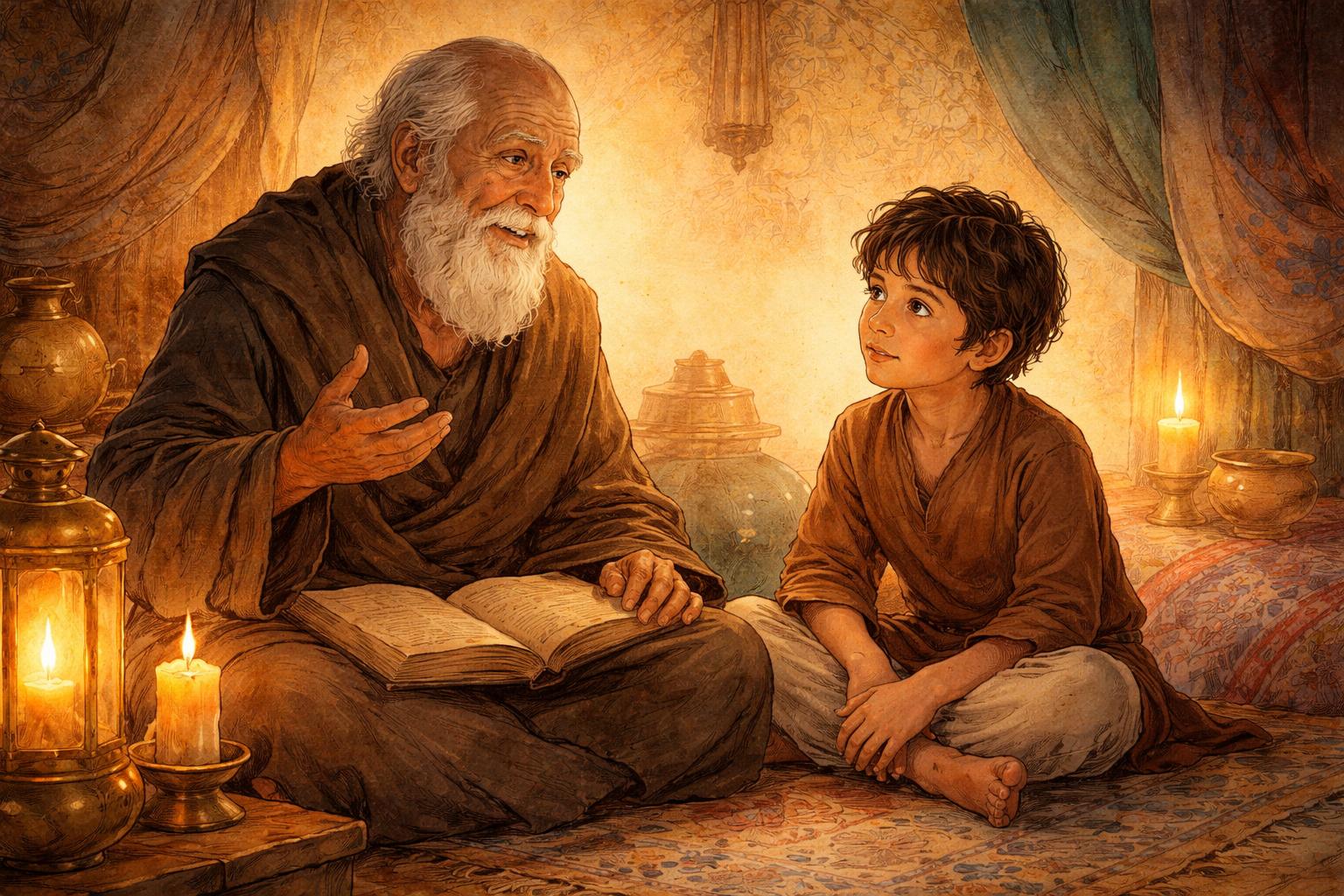
The boy would walk every day from his home to the sorcerer's dwelling. And on his path, he passed by the home of a monk, a simple man of faith who worshipped Allah alone in secret. The boy, curious by nature, stopped one day to listen to the monk. The monk spoke of one God, the Creator of all things, who was infinitely greater than any king. The boy's heart recognized the truth immediately, the way clean water recognizes a clear glass.
Now the boy was learning two things at once: sorcery from the sorcerer, and faith from the monk. And every day, the truth of the monk's teaching grew stronger in his heart while the sorcerer's tricks seemed emptier.
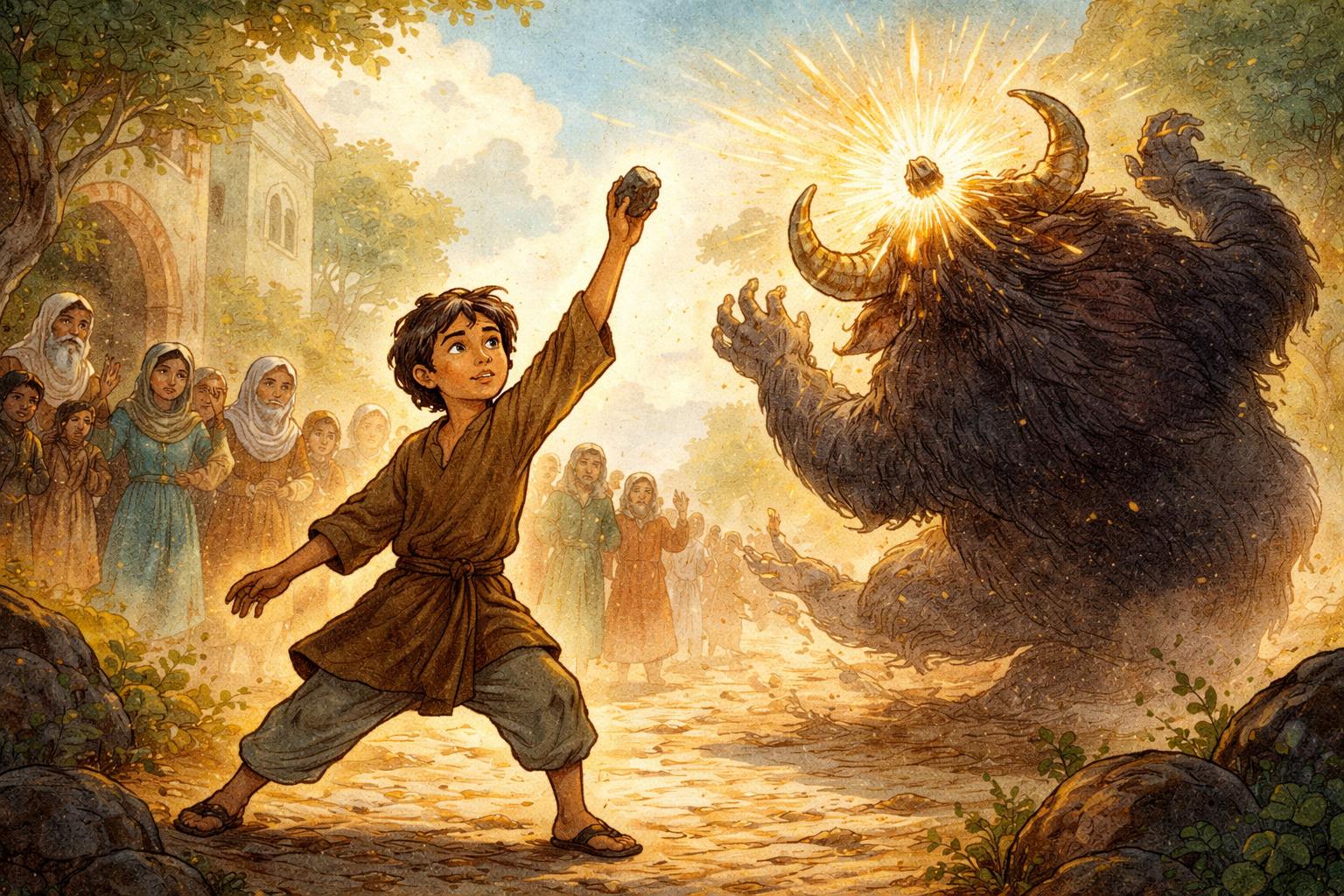
One day, a great beast blocked the road, preventing people from passing. The boy saw an opportunity to test where true power lay. He picked up a stone and said: "O Allah, if the affair of the monk is more beloved to You than the affair of the sorcerer, then kill this beast so that the people may pass." He threw the stone, and the beast fell dead.
The boy went to the monk and told him what had happened. The monk said, "My son, today you are better than me. You have reached a level where you will be tested. And when you are tested, do not reveal where I am."
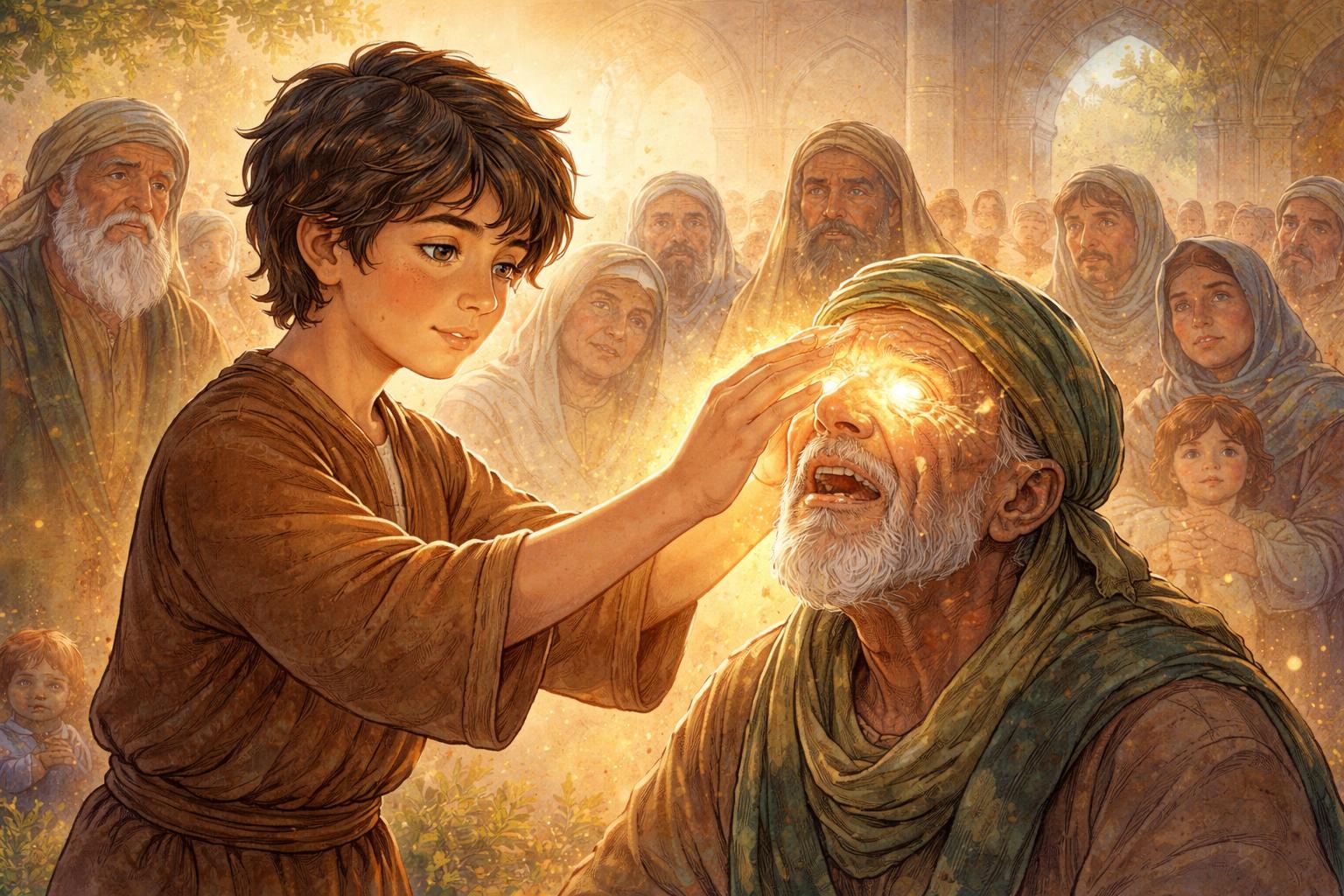
The boy began to heal the sick in the name of Allah. He cured the blind, healed the leper, and treated diseases that no medicine could touch. Word spread quickly. One of the king's courtiers, who had been blind, came to the boy and was healed. When he returned to the king with his sight restored, the king demanded to know who had healed him.
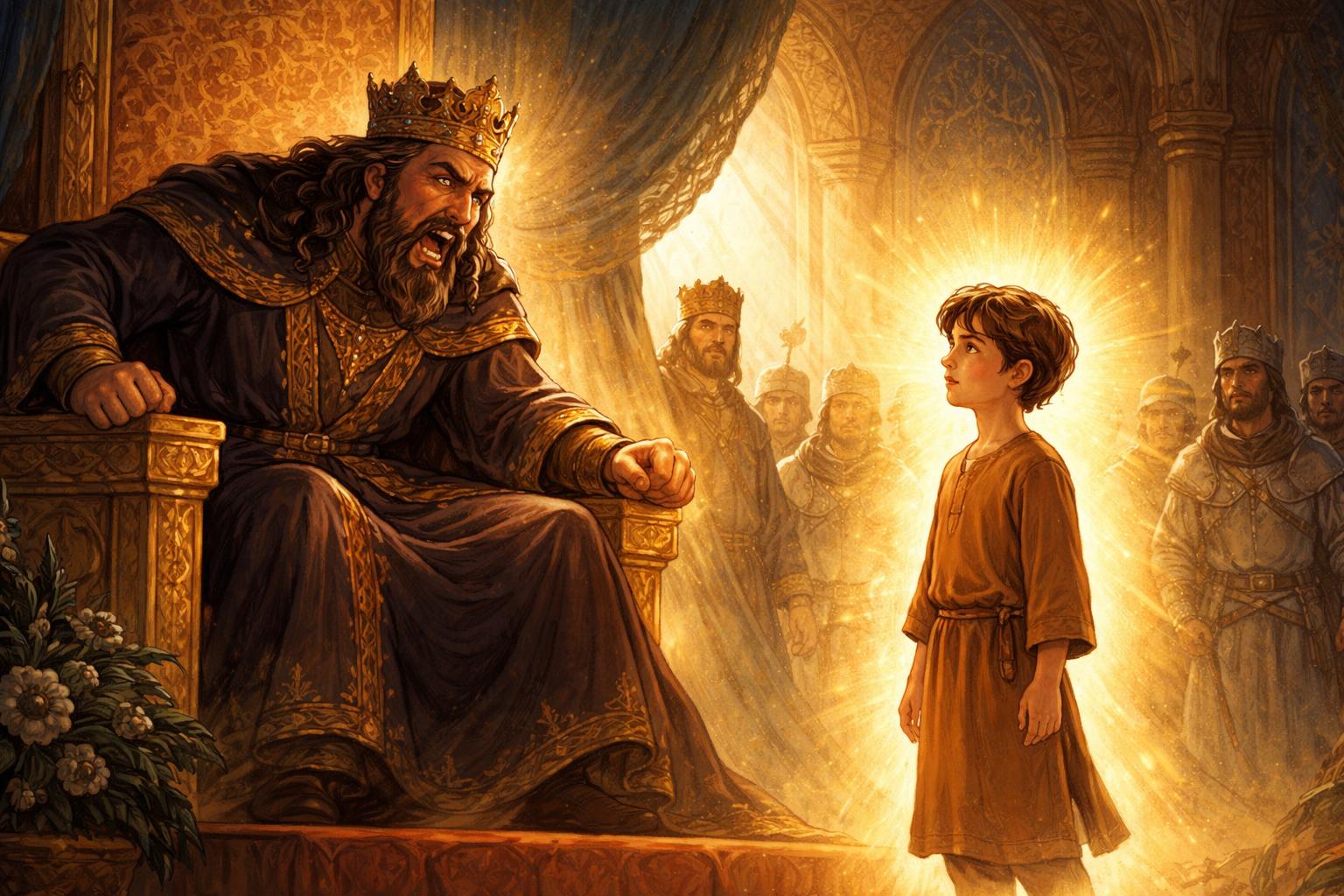
The courtier said, "My Lord did." The king flew into a rage: "Do you have a lord other than me?" Under pressure, the courtier revealed the boy. Under pressure, the boy revealed the monk. The king had the monk brought before him and ordered him to renounce his faith. The monk refused. The king had him killed.
The courtier was brought before the king and given the same choice. He refused. He too was killed.
Then the king turned to the boy. But the boy was different. Every attempt to kill him failed. The king sent soldiers to throw him from a mountaintop, but an earthquake shook the mountain and only the soldiers fell. He sent soldiers to drown him in the sea, but a storm capsized the boat and only the soldiers perished. Each time, the boy returned safely.
Finally, the boy said to the king: "You will not be able to kill me until you do as I say." The king, desperate, asked what he meant. The boy said: "Gather the people in one place. Tie me to the trunk of a tree. Then take an arrow from my quiver, place it in the bow, and say, 'In the name of Allah, the Lord of the boy.' Then shoot."
The king did exactly as the boy instructed. He gathered the entire city. He tied the boy to a tree. He took the arrow, placed it in the bow, and said, "In the name of Allah, the Lord of the boy." And he shot.
The arrow struck the boy in his temple, and the boy placed his hand on the wound and died.
But something the king had not anticipated happened. The entire city, every single person gathered there, saw what happened. They heard the king himself say, "In the name of Allah, the Lord of the boy." They saw that only by invoking Allah could the boy be harmed. And in that moment, they all declared: "We believe in the Lord of the boy! We believe in the Lord of the boy!"
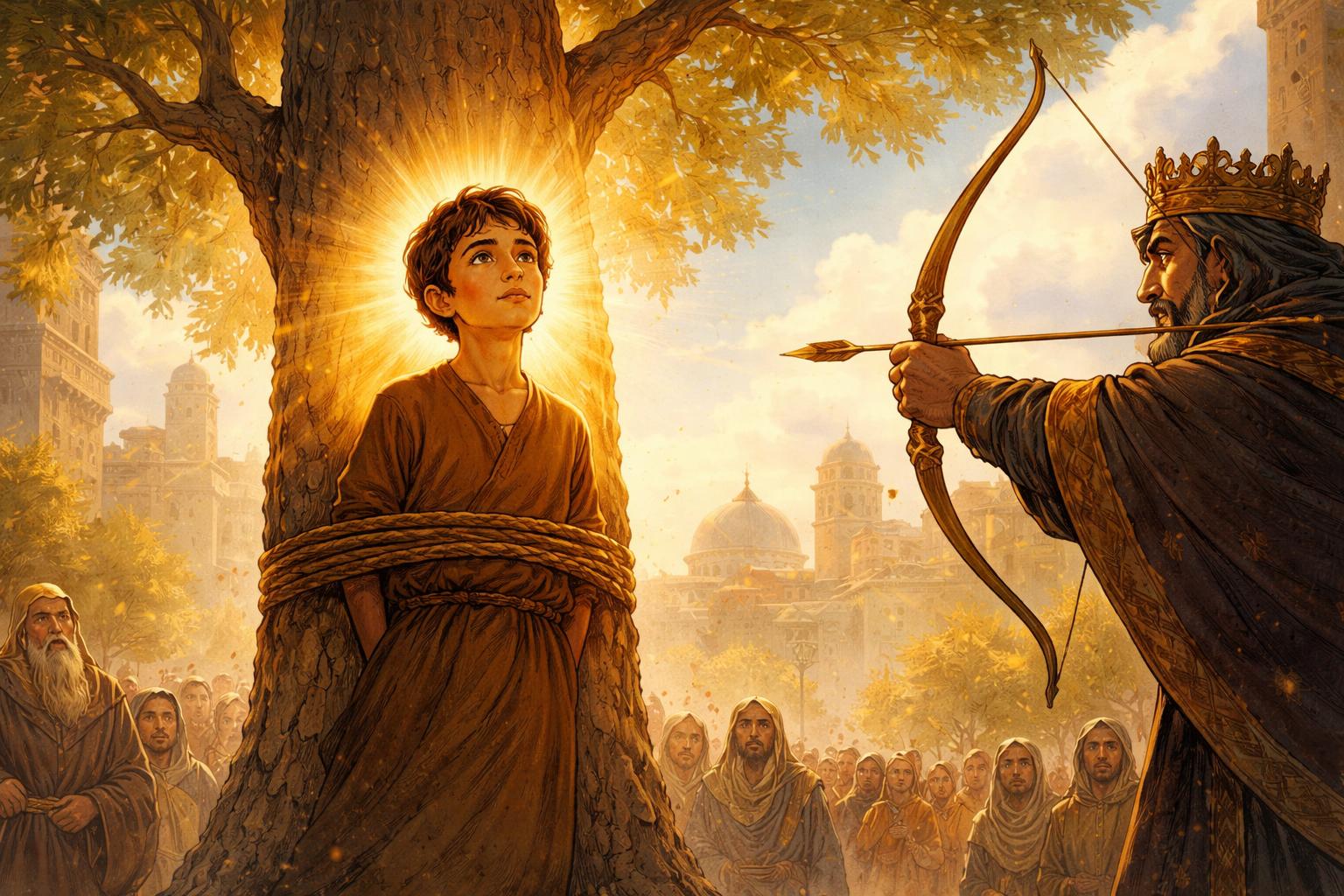
The boy had sacrificed his life, but in doing so, he had saved the faith of an entire city. His death was the seed from which a forest of faith grew.
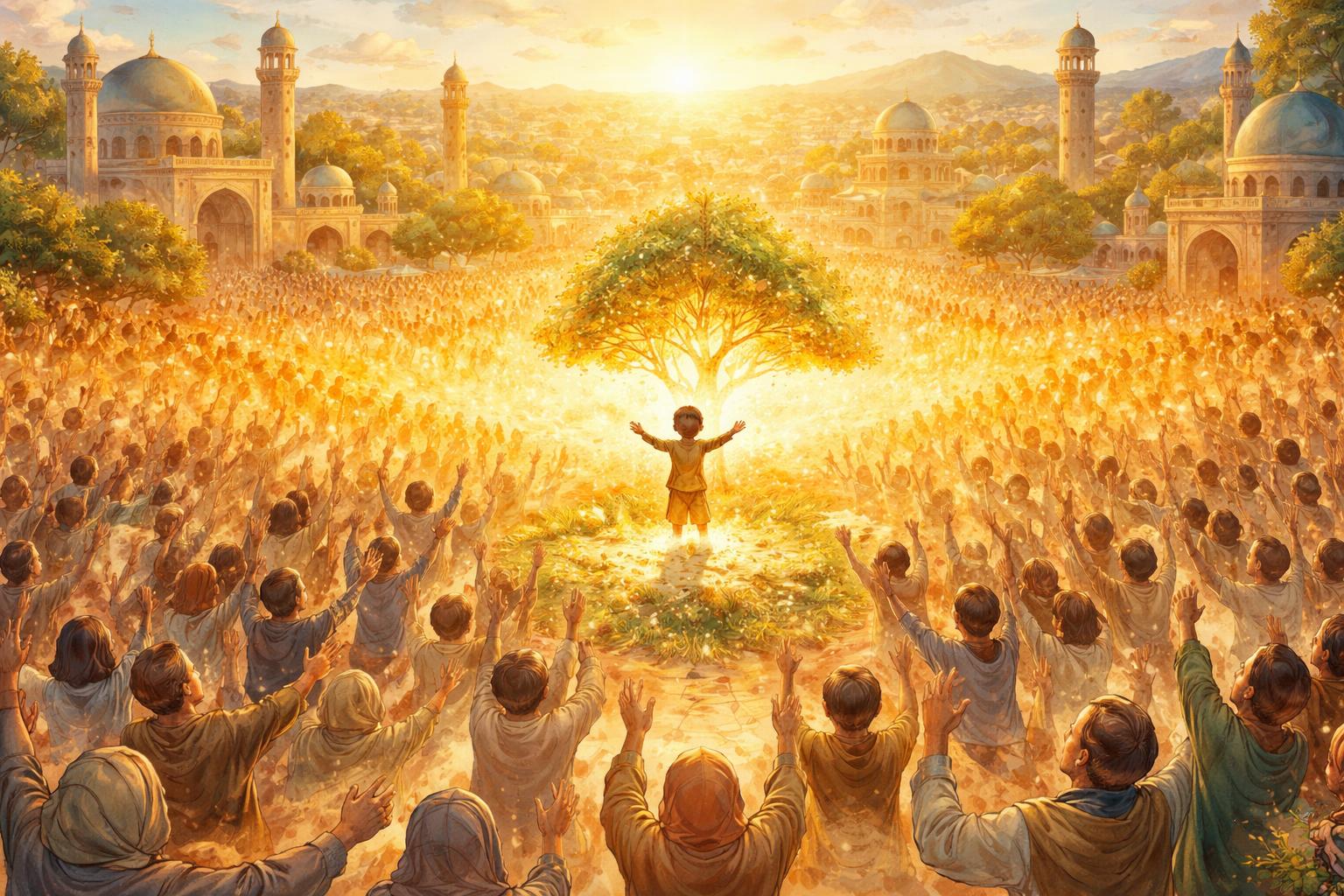
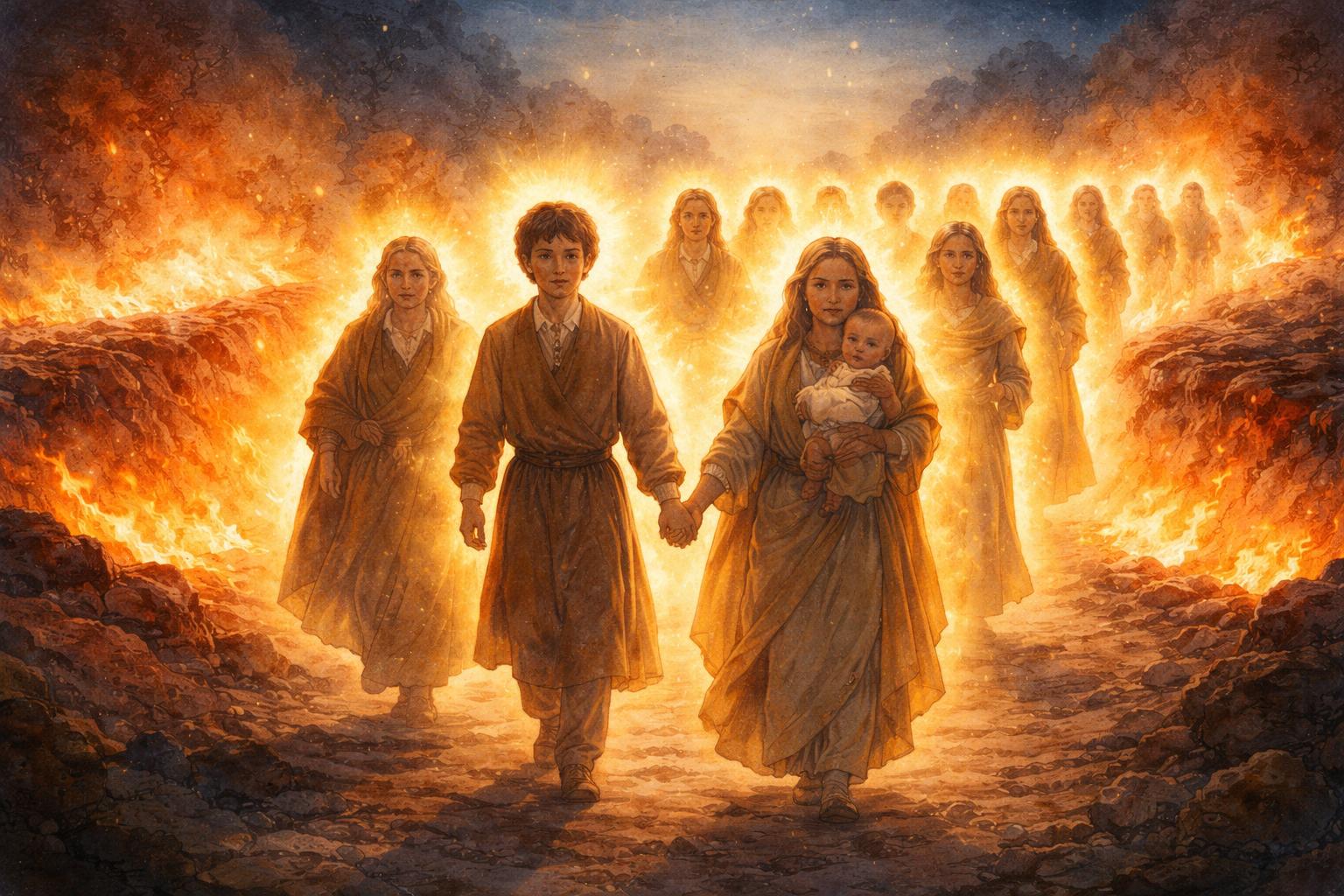
The king was furious beyond measure. He ordered great trenches, ditches, to be dug and filled with fire. Then he gave his people a choice: renounce your faith or be thrown into the flames. One by one, the believers chose the fire over betraying Allah.
The Quran describes this in Surah Al-Buruj: "Destroyed were the people of the ditch, of the fire full of fuel, when they sat by it, and they were witnesses to what they were doing to the believers. And they resented them only because they believed in Allah, the Almighty, the Praiseworthy."
Among those who approached the fire was a woman carrying her baby. She hesitated at the edge, and the baby, by the miracle of Allah, spoke and said: "Be patient, mother, for you are upon the truth." And she stepped forward.
The believers who died in those flames were not defeated. The Quran honors them eternally. Their persecutors are the ones who are cursed. The believers are promised "gardens beneath which rivers flow. That is the great attainment."
In the Shia tradition, the story of Ashab al-Ukhdud is one of the most powerful parallels to Karbala. Imam Husayn (AS) and his companions at Karbala made the same choice: faith over life, principle over survival. When Imam Husayn (AS) was given the choice between pledging allegiance to a tyrant or facing death, he chose death with dignity over life with dishonor.
Imam Husayn (AS) said: "Death with dignity is better than a life of humiliation." The boy in tonight's story understood this truth instinctively. His sacrifice was not a defeat; it was the greatest victory, because it saved the faith of an entire people.

Imam Sadiq (AS) said: "Every day is Ashura, and every land is Karbala." This means that the choice between truth and convenience, between faith and comfort, comes to every person in every generation. You may never face a literal fire, but you will face moments where standing for what is right costs you something, a friendship, popularity, comfort. In those moments, remember the boy, and choose truth.
Key Verse
"Wa ma naqamu minhum illa an yu'minu billahil-Azizil-Hamid" "And they resented them only because they believed in Allah, the Almighty, the Praiseworthy." -- Al-Buruj (85:8)
Reflection Questions
- The boy chose to tell the king how to kill him, knowing it would cost his life but save the faith of thousands. Is there ever a cause worth more than your own comfort or safety?
- The monk told the boy, "You will be tested." Why do you think tests come to those who are closest to the truth?
- Imam Husayn (AS) said, "Death with dignity is better than a life of humiliation." What does dignity mean to you, and how do you protect it in your daily life?
A long, long time ago, in a faraway land, there lived a king who was very, very mean. Do you know what this king wanted? He wanted everyone to bow down to him. He wanted people to treat him like he was God. But he was not God. He was just a man, a man who was being very unfair.
This mean king had a helper called a sorcerer. A sorcerer is someone who does magic tricks to scare people. The king used the sorcerer to frighten everyone so they would obey him. "If you do not bow to me," the king would say, "my sorcerer will punish you!" And the people were so scared that they did whatever the king said.
But the sorcerer was getting very old. His hands shook. His eyes could not see well. He told the king, "I am old now. I need a young person to teach my tricks to, so your power will keep going after I am gone."
So the king found a boy. This boy was very clever and very curious. He asked questions about everything. "Why is the sky blue? Where do the stars go in the morning? Who made the rivers?" The king sent this curious boy to learn from the old sorcerer.
Every day, the boy walked from his home to the sorcerer's house. And every day, he passed by a small, quiet house where a kind monk lived. A monk is a man who spends his time praying and thinking about Allah. This monk worshipped only Allah, the one true God, but he did it secretly because the mean king did not allow it.
One day, the boy stopped to listen to the monk. The monk spoke in a gentle voice. "There is only one God," the monk said. "He is Allah. He made the sky and the stars and the rivers. He made you and me. He is much, much greater than any king."
The boy's heart felt warm and happy when he heard these words. It was like finding a cool drink of water on a very hot day. He knew, deep inside, that the monk was telling the truth.
So now the boy was learning two things. From the sorcerer, he learned magic tricks. From the monk, he learned about Allah. And every single day, the monk's words made more sense, and the sorcerer's tricks seemed more and more silly.
One day, something amazing happened. A big, scary animal was blocking the road, and nobody could get past it. The boy picked up a small stone and said a prayer. "O Allah, if what the monk teaches is true, please help me move this animal so the people can pass." He threw the stone, and the animal fell down, and all the people could walk by safely!
The boy ran to tell the monk. The monk smiled, but his eyes looked a little sad. "My dear boy," the monk said, "you are very special. But because you are special, you will be tested. Hard things will happen. Be brave, and please, do not tell anyone about me."
After that day, the boy began to help sick people. He would pray to Allah, and Allah would heal them. A man who could not see came to the boy, and after the boy prayed, the man could see again! A woman who was very sick came, and after the boy prayed, she felt better! People were so happy. They kept coming to the boy for help, and he always said the same thing: "I do not heal you. Allah heals you. He is the one true God."
Word about the boy spread everywhere, even to the king's palace. The king was furious. "What is this?" he shouted. "The people are talking about Allah? They should be talking about ME!"
The king brought the boy to his throne room. "Who taught you this?" the king demanded. The boy was brave. He said, "Allah taught me. Allah is the only God."
The king was so angry! He tried again and again to hurt the boy, but every single time, Allah protected him. The king sent soldiers to take the boy to the top of a tall, tall mountain and push him off. But the mountain shook like it was saying "No!" and the soldiers fell down instead, and the boy walked home safely.
The king sent more soldiers to take the boy out to the deep, deep sea and throw him in the water. But a big storm came and tipped the boat over. The soldiers fell in the water, but the boy floated safely back to the shore.
The boy came back to the king and said something very surprising. "You cannot hurt me unless you do exactly what I tell you."
The king was so desperate that he said, "Fine! What do I have to do?"
The boy said, "Gather all the people together. Tie me to a tree. Then take an arrow, put it in a bow, and before you shoot, say these words out loud: 'In the name of Allah, the Lord of the boy.'"
Now, why would the boy say this? Because the boy had a plan. A beautiful, brave plan. He knew that if the king said those words in front of everyone, all the people would hear the name of Allah. They would see that only Allah had real power, not the king, not the sorcerer, only Allah.
The king gathered everyone in the whole city. Thousands and thousands of people came. The boy was tied to a tree. The king put the arrow in the bow. And then, in front of all those people, the king said the words: "In the name of Allah, the Lord of the boy."
He shot the arrow, and the boy was hit. The boy put his hand where the arrow struck and smiled. He had done what he wanted to do.
And do you know what happened next? All the people, every single person in that big crowd, they all understood. They all saw that the king had to use Allah's name. They all realized that Allah was the true God, not the king. And every single one of them called out together: "We believe in Allah! We believe in the Lord of the boy!"
The boy had given up his life, but he had saved the hearts of a whole city. His bravery helped thousands and thousands of people find Allah.
The king was so, so angry. He ordered his soldiers to dig big ditches, long holes in the ground, and fill them with fire. He told the people, "Stop believing in Allah, or you will be thrown into the fire!"
But the people did not stop believing. One by one, they chose Allah over the mean king. They were so brave. The Quran, our holy book, tells us about these brave people. Allah says that the mean king and his helpers were the ones who were wrong, not the believers. The believers are the winners. Allah promised them beautiful gardens in Heaven with rivers flowing underneath the trees.
There was a mother holding her little baby. She was scared. But then, by a miracle from Allah, her tiny baby spoke and said, "Be brave, Mama. We are on the right side. We are with Allah." And the mother felt strong again.
You know, this story reminds us of another very important story. Many, many years later, Imam Husayn (AS), the grandson of Prophet Muhammad (peace be upon him), made a choice just like the boy did. A mean ruler told Imam Husayn to follow him instead of following what was right. Imam Husayn said no. He said, "It is better to stand up for what is right, even if it is hard, than to follow what is wrong just because it is easy."
Imam Husayn (AS) taught us that it is better to stand up for what is right with dignity than to live a life where you go along with what is wrong. He chose truth over comfort, just like the boy did.
Imam Sadiq (AS), who was one of the great teachers from the Prophet's family, taught us: "Every day, we have chances to be brave and do the right thing. Every place is a place where we can stand up for truth."
You might never have to face a mean king or a ditch of fire. But sometimes, standing up for what is right is hard even in small ways. Maybe someone is being mean to another kid, and you need to speak up. Maybe someone asks you to do something wrong, and you need to say no. In those moments, remember this brave boy. Remember that choosing what is right, even when it is hard, is the most powerful thing you can ever do.
Allah always loves the brave ones who stand up for truth. And He never, ever forgets them.
Key Verse
"Wa ma naqamu minhum illa an yu'minu billahil-Azizil-Hamid" "The only reason the mean people were angry at the believers was because the believers loved Allah, the Most Powerful, the Most Wonderful." -- Al-Buruj (85:8)
Let's Talk About It
- The boy was very brave. Can you think of a time when you were brave and did the right thing, even though it was a little bit scary?
- Why do you think the boy told the king to say Allah's name out loud in front of everyone?
- Imam Husayn (AS) stood up for what was right, just like the boy did. How can we stand up for what is right in our own lives, like at school or at home?